New markets now open in Texas, Florida & California →

Find Licensed HVAC Contractors in Colorado Springs, CO

Colorado Springs' Humid Continental climate means your heating and cooling system works overtime. Get connected with vetted local HVAC pros who understand mountain weather challenges.

  • Licensed & Insured
  • Local Experts
  • Free Estimates
  • Rated

Colorado Springs HVAC — Quick Answer

Colorado Springs homeowners have access to roughly 500 licensed HVAC contractors, but finding the right one can be overwhelming.

Get Free Quotes — No Obligation

Connect with a trusted HVAC professional in Colorado Springs

AI-Assisted Quote

Tell us about your hvac project

Answer a few quick questions and our AI will write your project description for you.

What do you need?

1/4

Get Quotes from Local HVAC Professionals in Colorado Springs, CO

Homeowners in Colorado Springs trust ProvenQuote to connect them with licensed, insured local professionals.

1

Tell us what you need

Describe your hvac project or issue in Colorado Springs.

2

We match you locally

We connect you with licensed, insured hvac professionals serving Colorado Springs, CO.

3

Get your free quote

Compare quotes with no obligation. No shared leads — you choose who you work with.

Get My Free Quote
About This Market

What Should Colorado Springs Homeowners Know About HVAC Services?

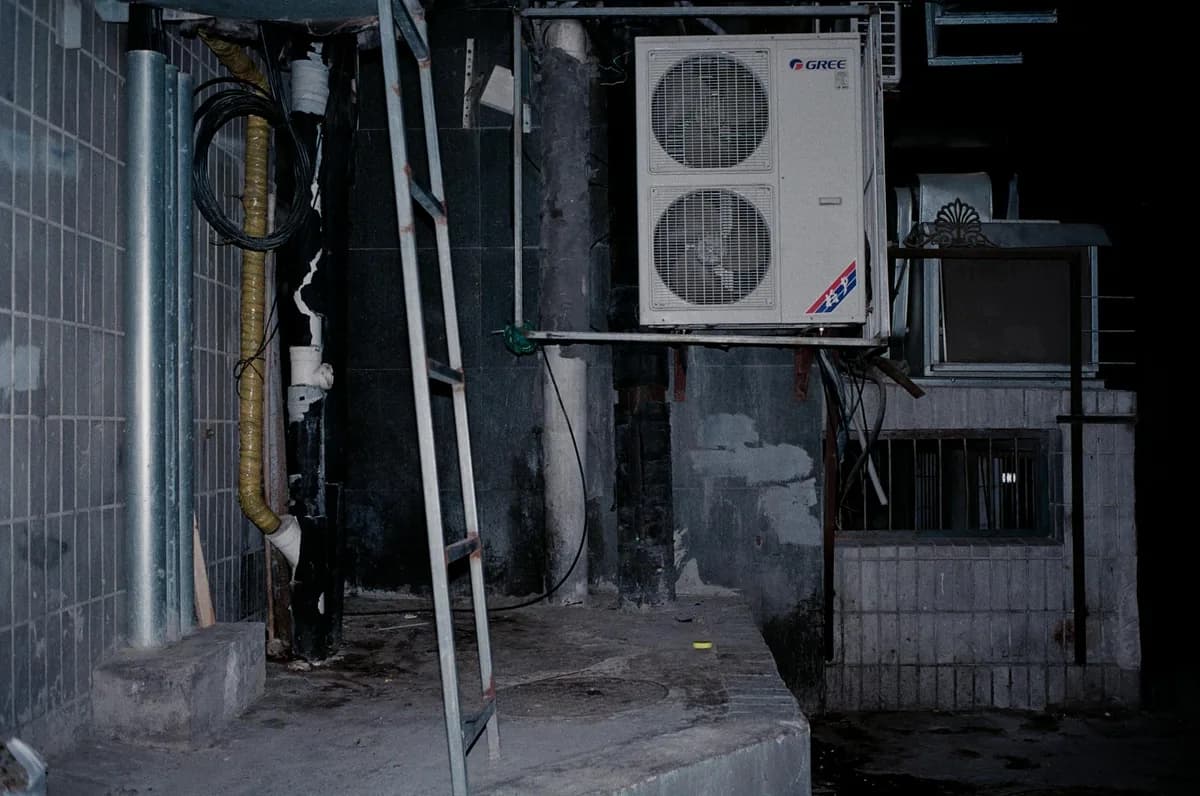
HVAC work on a residential property in Colorado Springs, CO

Your HVAC system is critical in Colorado Springs, where winters bring heavy snow and summers demand reliable air conditioning. Whether you live in the Broadmoor, the historic Old North End, or anywhere across the city's zip codes, a well-maintained furnace and AC unit keep your home comfortable year-round. ProvenQuote connects Colorado Springs homeowners with licensed HVAC contractors who know your local building codes and climate needs.

Hail, ice storms, and heavy snow can damage outdoor AC units and furnace components, especially during Colorado Springs' unpredictable weather swings. Humidity and temperature extremes put extra stress on your system, shortening its lifespan without proper maintenance and timely repairs. Local HVAC contractors understand these risks and can recommend high-efficiency systems built to survive mountain weather.

ProvenQuote is not an HVAC contractor—we're a marketplace that matches you with licensed, vetted professionals in Colorado Springs. Submit your project once, receive competitive quotes from multiple local contractors, and hire the one that fits your budget and timeline. No pressure, no middleman fees—just direct access to experienced HVAC experts in your area.

Services

HVAC Services in Colorado Springs, CO

Every HVAC service you need — covered by licensed local professionals in Colorado Springs.

Get a Free Quote

AC Repair in Colorado Springs

When your air conditioner stops working during a Colorado Springs heat wave, quick repair is essential. Licensed HVAC contractors diagnose refrigerant leaks, compressor issues, electrical problems, and thermostat failures. Many professionals in the Colorado Springs area offer same-day or emergency service during peak summer demand to restore comfort fast. AC repair costs depend on what's broken—a simple refrigerant recharge costs less than compressor replacement. Summer thunderstorms in Colorado Springs can damage outdoor AC units through lightning strikes and hail, making emergency repair service especially valuable during storm season. Homeowners should call local pros immediately if their system won't cool.

Learn more

AC Replacement in Colorado Springs

Full central AC system swap — sized correctly for your home using Manual J load calculations. Modern high-SEER systems dramatically reduce utility costs. Pros handle equipment selection, refrigerant recovery, and city permit coordination.

Learn more

Heating Repair in Colorado Springs

Heating failures during Colorado Springs winters can't wait—frozen pipes and dangerous indoor temperatures demand immediate attention. Local HVAC contractors troubleshoot ignition problems, blower malfunctions, thermostat issues, and gas line leaks. Experienced professionals arrive with diagnostic tools and replacement parts to get your system running safely and efficiently again. Winter ice storms and heavy snow in Colorado Springs can strain heating systems and trigger emergency repair calls. Many contractors offer 24/7 emergency service during the heating season (November–March). Addressing heating problems quickly prevents costly secondary damage and keeps your family safe and warm.

Learn more

Furnace Replacement in Colorado Springs

New furnace installation — gas, electric, or heat pump. High-efficiency 95+ AFUE units can cut heating bills by 20–40%. Pros size the unit for your home, handle venting, and pull required permits.

Learn more

Emergency HVAC Service in Colorado Springs

Same-day and 24-hour emergency response for no-heat and no-cool situations. When AC fails in peak summer heat or heat goes out in winter, emergency dispatch gets a technician on-site within hours.

Learn more

HVAC Maintenance in Colorado Springs

Seasonal tune-ups including filter replacement, coil cleaning, refrigerant level check, and system calibration. Regular maintenance extends equipment life, maintains manufacturer warranties, and catches small issues before they become expensive repairs.

Learn more

Duct Cleaning in Colorado Springs

Dust, pet dander, and debris accumulate inside your HVAC ductwork over time, reducing airflow and forcing your system to work harder. Licensed contractors in Colorado Springs use specialized equipment to clean ducts thoroughly, then seal leaks and loose connections. Sealed ducts prevent conditioned air from escaping and keep unfiltered air from entering your home. Duct sealing is especially important in older Colorado Springs neighborhoods like the Old North End, where homes may have original systems with significant air leakage. Proper duct sealing reduces energy waste and can lower monthly heating and cooling costs. Many homeowners pair duct cleaning with seasonal tune-ups to maximize system performance.

Learn more

Indoor Air Quality in Colorado Springs

Whole-home air purifiers, UV germicidal lights, media filters, ERV/HRV ventilation systems, and whole-house humidifiers and dehumidifiers. Improve air quality for allergy and asthma sufferers and reduce airborne pathogens.

Learn more

Heat Pump Installation in Colorado Springs

New heat pump installation or replacement — air-source, dual-fuel, and cold-climate heat pump systems. Heat pumps provide both heating and cooling in a single unit and qualify for federal IRA tax credits and utility rebates.

Learn more

Mini-Split Installation in Colorado Springs

Ductless mini-split systems for additions, garage conversions, sunrooms, and multi-zone comfort control. Single-zone and multi-zone systems available — no ductwork required, energy-efficient, and eligible for rebates.

Learn more

Not sure which service you need? Describe your project and we'll match you with the right pro.

Related HVAC Searches in Colorado Springs

hvac contractor Colorado Springs COhvac company Colorado Springs COhvac near me Colorado Springs CObest hvac Colorado Springs CO
Pricing

HVAC Costs in Colorado Springs, CO

HVAC costs in Colorado Springs, CO vary depending on project scope, materials, and local market conditions. The ranges below reflect current rates for the Colorado Springs area. Request a free quote to get an accurate estimate for your specific project.

AC Repair

Low Estimate

$200

High Estimate

$1,000

Typical Average

$500

AC Replacement (3-ton)

Low Estimate

$4,000

High Estimate

$9,800

Typical Average

$6,700

Furnace Replacement

Low Estimate

$2,900

High Estimate

$7,500

Typical Average

$4,800

Emergency HVAC Service

Low Estimate

$200

High Estimate

$600

Typical Average

$300

HVAC Tune-Up / Maintenance

Low Estimate

$100

High Estimate

$200

Typical Average

$100

Duct Cleaning

Low Estimate

$300

High Estimate

$800

Typical Average

$500

Estimates are ranges for Colorado Springs, CO. Actual cost depends on project scope, materials, and local market conditions.

Timelines reflect total project duration from contract signing — including permit processing, material delivery, and contractor scheduling. Emergency repairs and inspections are scheduled immediately.

At a Glance

HVAC Facts for Colorado Springs, CO

Quick reference facts for hvac services in Colorado Springs, CO
Typical project duration1–2 daysVaries by scope and weather
Average hvac cost in Colorado Springs$200 – $1,000AC Repair
Local price levelBelow national averageCompared to US national average
Common materialsCentral split-system (Carrier, Lennox, Trane)
ProvenQuote-verified prosVerified in Colorado Springs, COLicensed + insured
Free quoteYes — no obligation

Are you a hvac pro in Colorado Springs? Claim this page and receive exclusive leads →

Why Do Colorado Springs Homeowners Need a Licensed HVAC Pro?

Colorado Springs homeowners have access to roughly 500 licensed HVAC contractors, but finding the right one can be overwhelming. ProvenQuote connects you with vetted local contractors who specialize in heating, cooling, and air quality solutions. Compare free quotes from multiple pros and choose the best fit for your home's needs.

Colorado Springs' Humid Continental climate demands reliable heating and cooling systems. Most homes benefit from high-efficiency gas furnaces with 95+ AFUE ratings for winter warmth, paired with central AC for summer comfort. With medium HOA prevalence across neighborhoods, many homeowners need contractors familiar with community approval processes. Typical HVAC projects range from $3,500 to $12,000 depending on system type and complexity.

ProvenQuote's Colorado Springs HVAC contractors are licensed, insured, and screened for quality. Get competing quotes in minutes—no obligation. Compare pricing, experience, and customer reviews side by side. Ready to upgrade your heating or cooling? Get free quotes from trusted local contractors today.

~500

HVAC Contractors in Colorado Springs Market

$3,500–$12,000

Typical HVAC Job Cost in Colorado Springs

Humid Continental

Local Climate Zone Requiring High-Efficiency Systems

Trusted Industry Resources

Where to Verify HVAC Contractor Credentials in CO

FAQ

Frequently Asked Questions About HVAC in Colorado Springs, CO(27)

Common questions from Colorado Springs homeowners about hvac projects, costs, and local pros.

  1. How much does AC replacement cost in Colorado Springs, CO?

    AC replacement in Colorado Springs, CO typically ranges from $4,500 to $8,500 for a standard 2–3 ton central air system, with an average around $5,800. Cost depends on unit size (tonnage), SEER rating, whether ductwork needs modification, and labor rates in Colorado Springs. High-efficiency 18–20 SEER2 units cost more upfront but reduce monthly utility bills by 20–30%. Get a free on-site estimate for a number specific to your home.

  2. What size AC do I need for my home in Colorado Springs?

    AC sizing in Colorado Springs depends on your home's square footage, insulation quality, ceiling height, and local climate. Use this rough guide: 600–1,000 sq ft → 1.5 tons (18,000 BTU); 1,000–1,500 sq ft → 2 tons (24,000 BTU); 1,500–2,000 sq ft → 2.5 tons (30,000 BTU); 2,000–2,500 sq ft → 3 tons (36,000 BTU); 2,500–3,500 sq ft → 4 tons (48,000 BTU); 3,500+ sq ft → 5 tons (60,000 BTU). An HVAC contractor performs a Manual J load calculation for exact sizing — oversized units cycle on and off too frequently and fail prematurely.

  3. How long does HVAC installation take in Colorado Springs?

    A standard central AC replacement in Colorado Springs takes 4–8 hours for an experienced crew. Full system replacement (AC + air handler) takes 6–10 hours, or a full day. Heat pump installation is similar: 6–8 hours for a split system. Mini-split installations take 4–6 hours per zone. An HVAC tune-up or maintenance visit takes 1–2 hours. Your home remains livable throughout — technicians work primarily at the outdoor unit, air handler, and attic/crawl space.

  4. Does HVAC installation require a permit in Colorado Springs, CO?

    Yes — HVAC replacement and new installation requires a mechanical permit in virtually all CO jurisdictions, including Colorado Springs. A licensed HVAC contractor pulls the permit from the local building department before work begins. The city then inspects the completed installation. Unpermitted HVAC work can void equipment warranties, create liability issues during a home sale, and complicate insurance claims. Always confirm your contractor is pulling permits.

  5. What is a SEER2 rating and what should I buy for Colorado Springs?

    SEER2 (Seasonal Energy Efficiency Ratio 2) is the updated efficiency standard for AC and heat pumps since January 2023 — it measures efficiency under more realistic operating conditions than the original SEER standard. The federal minimum is 13.4 SEER2 (equivalent to ~14 SEER) in most southern states. For Colorado Springs's climate, a 15–17 SEER2 unit delivers the best value — meaningful efficiency gains without the steep premium of 20+ SEER2 equipment. Many utilities offer rebates for 15+ SEER2 systems; ask your contractor what incentives apply.

  6. How often should HVAC be serviced in Colorado Springs?

    HVAC systems should be serviced twice per year: once in spring (March–April) before cooling season starts, and once in fall (September–October) before heating season. In Colorado Springs, where systems run hard during extreme summers, spring AC tune-ups are especially important — catching refrigerant issues, cleaning coils, and testing capacitors before temperatures spike. Annual maintenance keeps manufacturer warranties valid, reduces emergency breakdowns by 40–50%, and extends equipment life by 3–5 years.

  7. What HVAC brands are most reliable?

    The most reliable HVAC brands based on industry surveys and technician feedback are: Carrier and Trane (premium tier — highest durability, 10-year part warranties standard); Lennox (premium efficiency, strong dealer network); Rheem and Ruud (solid mid-market, widely available parts); Goodman and Daikin (value tier — competitive pricing, decent reliability, 10-year warranty with registration). Bryant (Carrier's value brand) and York are also widely serviced. Brand matters less than proper sizing, quality installation, and regular maintenance.

  8. Can I get a tax credit for a new heat pump in Colorado Springs, CO?

    Yes — the Inflation Reduction Act (IRA) provides a 30% federal tax credit up to $2,000 per year for qualifying air-source heat pump installations through 2032. To qualify, the heat pump must meet energy efficiency requirements (SEER2 ≥ 15.2, HSPF2 ≥ 7.8). Low-to-moderate income households in Colorado Springs may also qualify for upfront rebates through the High-Efficiency Electric Home Rebate Act (HEEHRA) — up to $8,000 for heat pump installation. Your licensed HVAC contractor can confirm which incentives apply and provide documentation for your tax filing.

  9. What causes AC to stop blowing cold air?

    The most common causes of AC not cooling are: (1) Low refrigerant from a leak — the system can't transfer heat without proper refrigerant charge; (2) Failed capacitor — the most frequent single-component failure, causes the compressor or fan motor to not start; (3) Dirty condenser coil — blocked airflow prevents heat rejection outdoors; (4) Frozen evaporator coil — caused by restricted airflow (clogged filter) or low refrigerant; (5) Failed compressor — the most expensive repair, often makes replacement the better option. A licensed HVAC technician can diagnose the root cause in 30–60 minutes.

  10. How do I know if I need a new HVAC or just a repair?

    Use the 5000 Rule: multiply the repair cost by the system age (in years). If the result exceeds $5,000, replacement is usually the better investment. Example: a $350 capacitor repair on a 12-year-old system = $4,200 — repair makes sense. A $1,200 compressor repair on a 15-year-old system = $18,000 — replacement wins. Additional replacement signals: the system uses R-22 refrigerant (discontinued, very expensive); it has needed multiple repairs in the past two years; it runs constantly but never reaches the set temperature; or energy bills have risen significantly without usage changes.

  11. What is included in an HVAC tune-up?

    A thorough HVAC tune-up includes a 21-point inspection: (1) Replace or inspect air filter; (2) Clean evaporator coil; (3) Clean condenser coil; (4) Check and adjust refrigerant charge; (5) Inspect refrigerant lines for leaks; (6) Test and measure capacitor voltage; (7) Inspect and tighten electrical connections; (8) Lubricate fan motors and bearings; (9) Test thermostat calibration; (10) Clear condensate drain line; (11) Inspect heat exchanger for cracks (gas furnace); (12) Test gas pressure and burner operation; (13) Check flue venting; (14) Test safety switches and limits; (15) Measure supply and return air temperature differential; (16) Inspect ductwork for visible leaks; (17) Test reversing valve (heat pump); (18) Inspect disconnect box; (19) Check outdoor unit clearances; (20) Run full heating and cooling cycle; (21) Provide written report of findings and recommendations.

  12. How long do heat pumps last?

    Heat pumps typically last 15–20 years with regular maintenance. They run year-round (both heating and cooling) which is more demanding than an AC-only system, but modern inverter-driven heat pumps are engineered for this. Key longevity factors: annual maintenance (coil cleaning, refrigerant check, electrical inspection), quality of original installation, and how hard the system runs. In Colorado Springs's climate, a heat pump running through a full summer season benefits most from spring tune-ups. At 12–15 years old, budget for replacement and evaluate repair costs using the 5000 Rule.

  13. What is the difference between a heat pump and an AC?

    An air conditioner only cools — it moves heat from inside your home to outside. A heat pump does both: in summer it works like an AC, moving heat outside; in winter it reverses direction and moves heat from outdoor air into your home, providing heating without burning fuel. Heat pumps are more efficient than electric resistance heating (1 kWh of electricity delivers 2–3 kWh of heat). In Colorado Springs's climate, a heat pump replaces both your AC and furnace in a single system. Modern cold-climate heat pumps work efficiently down to 0°F or lower.

  14. Should I repair or replace my 15-year-old AC in Colorado Springs?

    At 15 years old, replacement is usually the right call for most repairs. A 15-year-old AC is near end-of-life (industry average is 15–20 years), operates at its original SEER rating (likely 10–12 SEER vs today's minimum 13.4 SEER2), and likely uses R-22 refrigerant (phased out in 2020 — very expensive to recharge). A new 15–17 SEER2 system in Colorado Springs can reduce cooling costs by 20–40% versus an aging system and qualifies for utility rebates. The only exception: a minor repair (capacitor, contactor) costing under $400 might buy 1–2 more seasons while you plan a replacement.

  15. How do I choose an HVAC contractor in Colorado Springs, CO?

    In Colorado Springs, a qualified HVAC contractor should: (1) Hold a current CO HVAC license — in CO, this is issued by the CO Department of Licensing and Regulation (TDLR); verify at tdlr.texas.gov; (2) Carry general liability insurance ($1M minimum) and workers' compensation; (3) Pull permits for all replacement and installation work; (4) Provide a written, itemized estimate before any work begins; (5) Have verifiable Google reviews (look for 4.5+ stars with recent reviews mentioning specific technicians); (6) Be factory-authorized dealers for major equipment brands they install; (7) Offer manufacturer-backed labor warranties on new equipment installation. Always get 3 quotes before committing to a replacement project.

  16. What is the 5000 Rule for HVAC repair vs replacement?

    The 5000 Rule is the HVAC industry's standard framework for repair vs replacement decisions: multiply the repair cost (in dollars) by the system's age (in years). If the result is greater than $5,000, replacement is typically the better investment. Examples: $300 repair × 8 years = $2,400 → repair; $600 repair × 10 years = $6,000 → consider replacement; $800 compressor repair × 14 years = $11,200 → replace. The rule accounts for the fact that older systems are less efficient, more likely to need additional repairs, and closer to end-of-life regardless.

  17. How often should I replace my HVAC air filter in Colorado Springs?

    Replace standard 1-inch filters every 1–3 months; thicker 4–5 inch media filters every 6–12 months. In Colorado Springs, where systems run more hours annually than in cooler climates, replace filters more frequently — monthly during peak summer and winter. Homes with pets, allergies, or recent construction should change filters monthly. A clogged filter is the single most common cause of HVAC inefficiency, frozen coils, and premature equipment failure. Check your filter monthly and replace when it appears grey or clogged.

  18. What causes high energy bills from my HVAC system?

    The most common causes of high HVAC energy bills are: dirty air filter (forces the system to work harder); dirty or blocked condenser coil (reduces heat rejection efficiency by 20–30%); low refrigerant (system runs longer to reach set temperature); duct leaks (15–30% of conditioned air escapes into unconditioned spaces in a typical home); poor insulation or air sealing (conditioned air escapes); aging system with declining efficiency; thermostat set too aggressively; and heat gain from uncovered windows or poor attic insulation. A licensed HVAC technician can identify the specific causes in your Colorado Springs home with a diagnostic visit.

  19. How do I improve indoor air quality in my Colorado Springs home?

    The most effective indoor air quality improvements for Colorado Springs homes, ranked by impact: (1) Upgrade to MERV-13 media air filter — captures particles down to 0.3 microns including pollen, mold spores, and fine dust; (2) Install a whole-home dehumidifier — controls moisture that drives mold and dust mite growth; (3) Add a UV germicidal light on the air handler coil — eliminates biofilm and mold on the coil surface; (4) Install an ERV/HRV ventilation system — brings in filtered fresh air while recovering energy; (5) Schedule annual duct cleaning if ducts haven't been cleaned in 5+ years. Combining 2–3 of these systems delivers the most measurable air quality improvement.

  20. What is dual-fuel HVAC and should I consider it in Colorado Springs?

    A dual-fuel system pairs a heat pump with a gas furnace backup. The heat pump provides efficient heating down to around 35–40°F; when temperatures drop below that threshold, the gas furnace takes over — providing reliable heat even in extreme cold while maximizing efficiency in mild and moderate temperatures. In Colorado Springs's climate, a dual-fuel system captures most of the IRA heat pump tax credit ($2,000) while providing the reliability of gas backup. It's ideal for homeowners who want to reduce natural gas usage without giving it up entirely. Ask your HVAC contractor to model annual energy costs for your specific home.

  21. How much does HVAC system replacement cost for a whole home in Colorado Springs?

    Full HVAC system replacement (AC + furnace or heat pump + air handler) in Colorado Springs typically ranges from $7,000 to $16,000 installed, depending on equipment tier and home size. Breakdown: 3-ton 16 SEER2 AC + 80% AFUE furnace: $7,000–$10,000; 3-ton heat pump + air handler: $9,000–$14,000; high-efficiency 18+ SEER2 systems: $12,000–$18,000+. Many contractors offer 0% financing through manufacturer programs (Carrier, Trane, Lennox). Federal IRA tax credits (up to $3,200/year combined for AC + furnace) can significantly offset costs.

  22. What is R-410A refrigerant and is my system affected by the phase-out?

    R-410A is the refrigerant used in most residential AC and heat pump systems installed between 2010 and 2024. The EPA is phasing out R-410A under the AIM Act — production limits began in 2025, with full phase-down continuing through 2028. R-410A prices are rising as supply tightens. Systems using R-410A will still be serviceable with existing refrigerant for years, but recharge costs will increase. New equipment manufactured after January 1, 2025 uses R-454B or R-32 (lower global warming potential). If your Colorado Springs system needs a refrigerant recharge soon, factor rising R-410A costs into your repair vs replace decision.

  23. How often should HVAC be serviced in Colorado Springs?

    Schedule HVAC maintenance twice per year: spring (April–May) before peak cooling season, and fall (September–October) before heating season. In Colorado Springs, with hot summers and cold winters, both services matter. Spring AC tune-ups catch refrigerant issues, clean coils, and test capacitors before the summer heat. Fall furnace tune-ups inspect heat exchangers, test ignitors, and ensure safe heating operation. Skipping maintenance voids most manufacturer warranties and is the leading cause of premature compressor and heat exchanger failure.

  24. Are heat pumps a good option in Colorado Springs, CO?

    Heat pumps are an excellent choice for Colorado Springs. Modern inverter heat pumps work efficiently down to 0°F, providing both heating and cooling from one system. In Colorado Springs's hot summers, a 16–18 SEER2 heat pump delivers the same cooling performance as a standard AC at lower operating cost. Federal IRA tax credits (30% up to $2,000) and utility rebates from providers like Austin Energy make heat pump upgrades more affordable. A licensed installer can assess whether your home's electrical panel supports the required 240V/30–50A circuit.

  25. How often should I schedule HVAC maintenance in Colorado Springs?

    HVAC professionals recommend twice-yearly tune-ups — once in spring before cooling season and once in fall before heating season. In Colorado Springs's climate, where systems run hard for extended seasons, regular maintenance keeps warranties valid, catches small problems before they escalate, and can extend equipment lifespan by 3–5 years. Most licensed HVAC companies offer maintenance plans for $10–$25/month that include two annual tune-ups and priority emergency dispatch.

  26. What SEER rating should I look for when replacing my AC in Colorado Springs?

    SEER2 (the updated efficiency standard as of 2023) measures cooling efficiency under realistic operating conditions. The federal minimum is 13.4 SEER2 in most regions. For Colorado Springs's hot climate, a 15–17 SEER2 unit hits the best value point — meaningful efficiency gains without the steep premium of 20+ SEER2 equipment. Many utility providers offer rebates for 15+ SEER2 systems. Ask your contractor which incentives are available in Colorado Springs before finalizing your equipment selection.

  27. What are signs my HVAC system needs replacement versus repair?

    Repair is usually the right choice when the system is under 10 years old and the repair cost passes the 5000 Rule (repair cost × system age < $5,000). Replacement makes more sense when the unit is over 12–15 years old, uses R-22 refrigerant (discontinued and expensive), runs constantly without reaching set temperature, or needs a compressor replacement (often 50%+ of new system cost). A licensed HVAC pro can give you a written repair vs replace assessment with projected costs for both options.

Hvac Insurance Claims in Colorado Springs, CO

Homeowner's insurance typically covers sudden, accidental damage from covered perils. Wear-and-tear and maintenance failures are excluded. Review your policy's exclusions carefully and consult your insurer before filing any claim.

Typically Covered

  • ✓ Sudden damage from covered perils
  • ✓ Emergency repairs after covered event
  • ✓ Property damage from accidental causes

Typically NOT Covered

  • ✗ Wear-and-tear and maintenance failures
  • ✗ Pre-existing conditions
  • ✗ Code upgrades required by the claim

Before You File a Claim

Document all damage with photos and video immediately. Contact your insurer to open a claim and get a claim number before starting any repairs. Request that your contractor be present during the adjuster's inspection so scope and pricing can be confirmed on the spot.

HVAC Services Near Colorado Springs, CO

ProvenQuote connects homeowners to trusted hvac professionals throughout CO.

Coverage Area

We Also Serve These Communities Near Colorado Springs

The Colorado Springs hvac network covers surrounding communities. Homeowners in these cities get matched with the same licensed, insured pros.

Free · No Obligation

Get Your Free HVAC Quote

Connect with a licensed local professional in Colorado Springs, CO. No obligation.

1
2
3
4
5

Step 1 of 5Service

What do you need? *

How soon do you need it? *

For HVAC Professionals

Are you a HVAC technician in Colorado Springs, CO?

ProvenQuote leases this page to one hvac business — exclusively. Every homeowner who fills out a form here goes directly to you. No shared bids. No competition. Your name on every quote.

Availability

1 Slot

Competing Businesses

None

Contract Type

Monthly

  • Exclusive leads — not shared with any other provider
  • Your business name, logo, and phone on every page
  • Qualified consumers already researching and ready to book
  • Cancel anytime — no long-term contracts

Own This Market

Colorado Springs, CO HVAC — exclusive access

Apply to make this page yours →

Reviewed within 24 hours. No commitment to apply.

Free estimate · No obligation