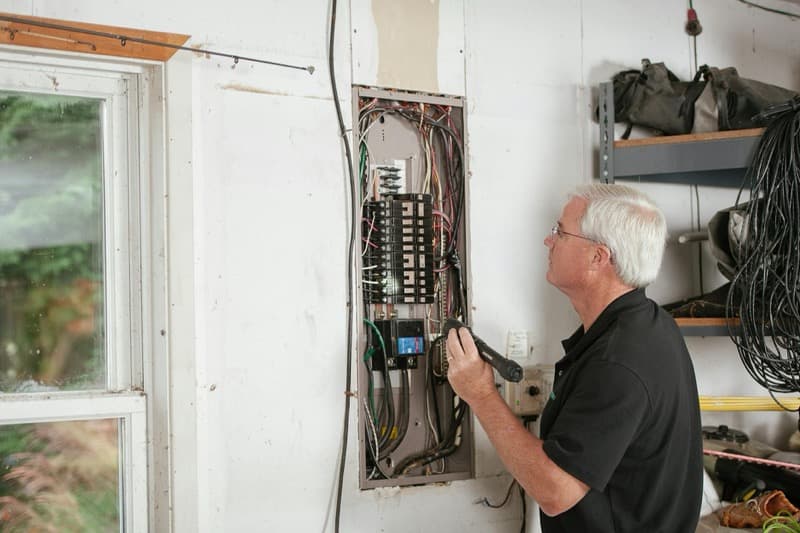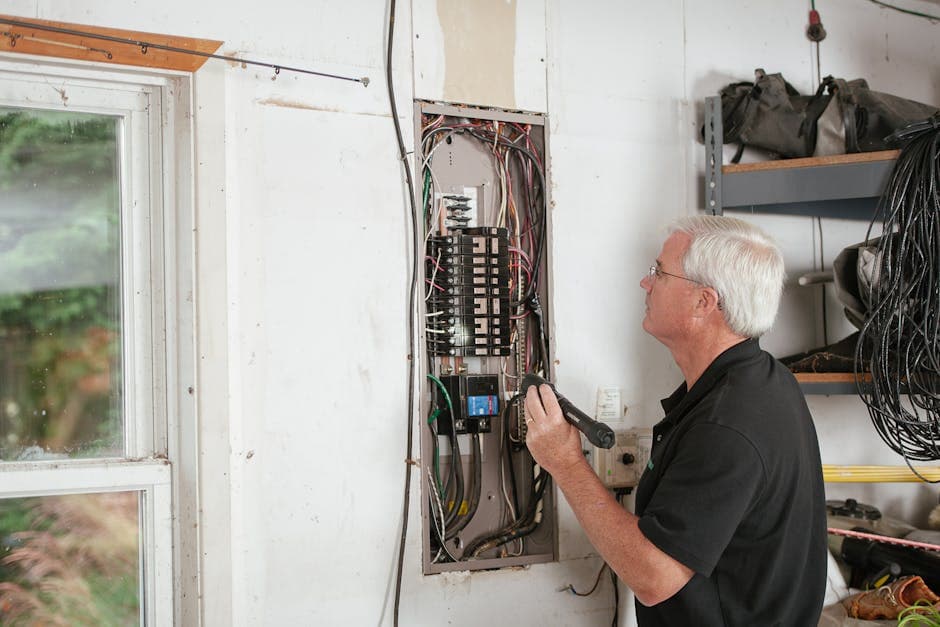
When you get a standard home inspection during a purchase, the general inspector checks electrical systems visually — they look at the panel, test a sample of outlets, and note obvious issues. They do not test circuits under load, evaluate the quality of wire connections at outlets and switches, assess the condition of wire insulation, or determine whether your home meets current GFCI and AFCI requirements. A dedicated electrical inspection by a licensed electrician fills that gap. It takes longer (2–4 hours vs. 15–20 minutes for the electrical portion of a general inspection), costs more ($100–$250 vs. included in a general inspection), and delivers a far more actionable report. Here is what the electrician actually checks and how to use the findings.
When to Get a Dedicated Electrical Inspection
A dedicated electrical inspection is appropriate in several situations beyond a standard home purchase. When buying a home built before 1980: older homes frequently have undetected issues (K&T, aluminum wiring, deteriorated insulation, FPE or Zinsco panels) that a general inspector may flag but not fully evaluate. A dedicated electrical inspection before the end of your inspection contingency period tells you the true condition and the real cost to remediate. After purchasing a home where the general inspection was limited: new construction inspections, bank-owned property sales, and as-is sales often have limited or restricted general inspections. A post-purchase electrical inspection establishes your baseline before problems develop. When you suspect electrical problems: frequent breaker trips, flickering lights, outlets that do not work, or burning smells near the panel warrant a diagnostic inspection. When planning a major renovation: an inspection before opening walls identifies what needs to be replaced versus what can be extended. Every 10 years for homes over 25 years old: periodic inspections catch deterioration before it becomes hazardous. When your insurer requests documentation: some insurers require electrical inspection reports for older homes as a condition of coverage.
The Main Panel: What the Electrician Evaluates
The electrical panel is the most important component evaluated during an electrical inspection. The electrician opens the panel cover (which a general inspector often does not do) and examines: the panel brand and model (FPE Stab-Lok and Zinsco are immediate replacement recommendations), the condition of breakers (any signs of overheating — discoloration, burn marks, melted insulation on wire ends), double-tapping (multiple wires under a single breaker terminal, which is a code violation for standard breakers), breaker sizing versus wire gauge (a 20-amp breaker must not protect 15-amp wire, a common incorrect modification), proper panel labeling (circuits must be accurately labeled for safe operation), the panel age and whether it is original to the home, signs of water intrusion at the panel, and overall conductor condition — are the wires properly dressed and secured, are there any frayed or bare sections? The electrician may also use a thermal camera (not all do, but it is a premium service worth requesting) to identify hot spots invisible to the eye — overloaded circuits and failing connections generate heat visible with infrared imaging.
Wiring, Outlets, and Switches
Beyond the panel, the electrician inspects wiring throughout the accessible portions of the home. In the attic: visible wire runs are checked for type (K&T, aluminum, romex), condition (intact insulation, proper stapling, protection at framing penetrations), and improper modifications. In the basement and crawlspace: similar checks, plus evaluation of junction boxes (which must be accessible and covered, not buried in insulation or inside walls). At a sample of outlets and switches: the electrician uses an outlet tester to check for wiring polarity (hot/neutral reversed — common in DIY work), open ground (ungrounded outlet), open neutral, and other faults. In locations requiring GFCI protection (kitchens, bathrooms, garages, outdoors, unfinished basements), the electrician verifies GFCI protection is present and functional. In locations requiring AFCI protection under current code (bedrooms and living areas), the electrician notes whether AFCI breakers are installed. The electrician also evaluates the service entrance — the weatherhead and cable entering the home from the utility pole, checking for weathering damage, proper drip loop, and adequate clearances.
Understanding Severity Levels in the Report
A professional electrical inspection report categorizes findings by severity. Immediate safety hazards (address before occupancy or within 30 days): active knob-and-tube wiring in poor condition, Federal Pacific or Zinsco panels, open wiring (exposed conductors), double-tapped breakers on undersized circuits, signs of overheating at any connection, water in the panel. These represent conditions that can cause fires or electrocutions and require immediate professional attention. Code violations requiring repair (required before sale, renovation permit, or insurance coverage): missing GFCI protection in required locations, missing AFCI breakers on required circuits, ungrounded outlets in bathrooms or kitchens, improper wire gauge for breaker amperage. These are real deficiencies but may not cause immediate harm. Grandfathered conditions (noted for awareness, not requiring immediate action): wiring that was code-compliant when installed but does not meet current code; two-prong ungrounded outlets in locations not requiring GFCI. These are noted in the report but generally do not require correction unless you trigger code compliance through a renovation. Recommendations (improvements worth considering): surge protection, panel load capacity review, adding circuits for new loads.
What Common Findings Cost to Fix
- Missing GFCI outlets (5–10 outlets in bathrooms, kitchen, garage): $400–$900 installed
- Missing AFCI breakers (10–15 circuits in bedrooms/living areas): $1,200–$2,500
- Federal Pacific or Zinsco panel replacement: $1,800–$4,000
- Double-tapped breaker correction: $150–$350 per instance
- Service entrance cable replacement (weathered or damaged): $800–$2,500
- Aluminum branch circuit remediation (COPALUM method): $2,000–$5,000
- Whole-home rewire (K&T in poor condition): $8,000–$20,000
- Ground rod installation (missing grounding electrode): $400–$800
- Junction box covers and corrections: $75–$200 each
How to Choose an Electrical Inspector
For a pre-purchase electrical inspection, hire an independent licensed electrician, not the inspector recommended by the seller's agent. The seller's recommended contractor has a conflict of interest — they want the deal to close and may downplay findings. Hire someone with no stake in your transaction. Look for electricians who specifically advertise electrical inspections (not all electricians offer this service) and who provide written reports with photos. A good report includes photos of each significant finding with annotations, severity classification, and cost estimates for remediation. Some electricians are also IAEI (International Association of Electrical Inspectors) certified — this is an additional credential beyond the state license that indicates additional training and testing in inspection methodology. Expect to pay $100–$250 for a thorough residential inspection; the higher end is appropriate for large or older homes. A quote of $75 or less usually means a superficial walkthrough, not a thorough inspection. The $150–$250 you spend on a quality inspection is the best investment you will make before buying an older home.
Pre-Purchase Negotiation Tip: An electrical inspection report with $5,000 in remediation findings is a legitimate basis for renegotiation. Request either a price reduction equal to the remediation cost, or require the seller to remediate specific items before closing. Many sellers prefer the price reduction to avoid the complexity of managing contractor work during the sales period. Your real estate agent can facilitate this negotiation, but you need the written estimate from the electrician to support it.