Electrical permits exist for one reason: to prevent house fires and electrocutions. The permit process requires that a licensed electrician (or in many states, a knowledgeable homeowner) perform the work to applicable electrical code, and then have a city-certified inspector verify the work is safe before it is concealed inside walls or energized. The National Electrical Code (NEC), updated every three years, defines the minimum safety standard. Most states adopt the NEC with a 1–6 year lag and may add state-specific amendments. The permit requirement is not bureaucratic box-checking — it is the mechanism that catches the wiring errors, undersized conductors, and missing ground fault protection that cause approximately 51,000 house fires per year in the United States. Understanding what requires a permit, how to get one, and what happens if you skip the process is essential information for every homeowner.
What Electrical Work Requires a Permit?
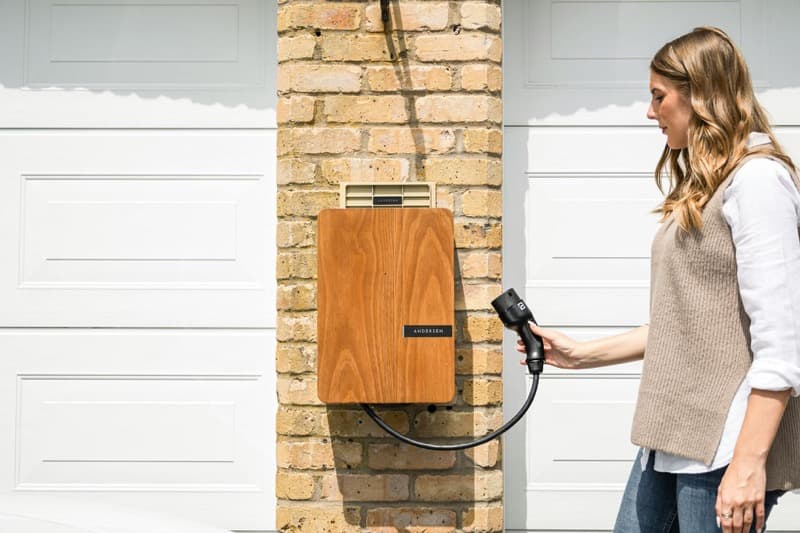
The general rule: any new electrical work that is not simple replacement of existing devices requires a permit. Replacement work — swapping an outlet for an identical outlet, replacing a light switch with an identical switch, changing a light fixture with no wiring changes — typically does not require a permit in most jurisdictions (though some cities like Chicago require permits for all electrical work). New work — running new circuits, installing new outlets or switches, adding new circuits to the panel, upgrading or replacing the panel, installing EV chargers, generators with transfer switches, hardwired smoke detectors, bathroom exhaust fans with new wiring, outdoor lighting with new circuits, ceiling fans where no existing box is present, and sub-panel installations — all require permits in virtually every US jurisdiction. Specific project permit requirements: panel upgrade (always requires permit), EV charger installation (almost always requires permit), generator/transfer switch installation (always requires permit), home addition wiring (always requires permit), kitchen or bathroom remodel involving new circuits (always requires permit), installing new electrical service (always requires permit).
- Replacing outlets, switches, or fixtures: generally no permit required
- Adding new outlets or switches to existing circuits: varies by jurisdiction
- Running new circuits from the panel: permit required in all jurisdictions
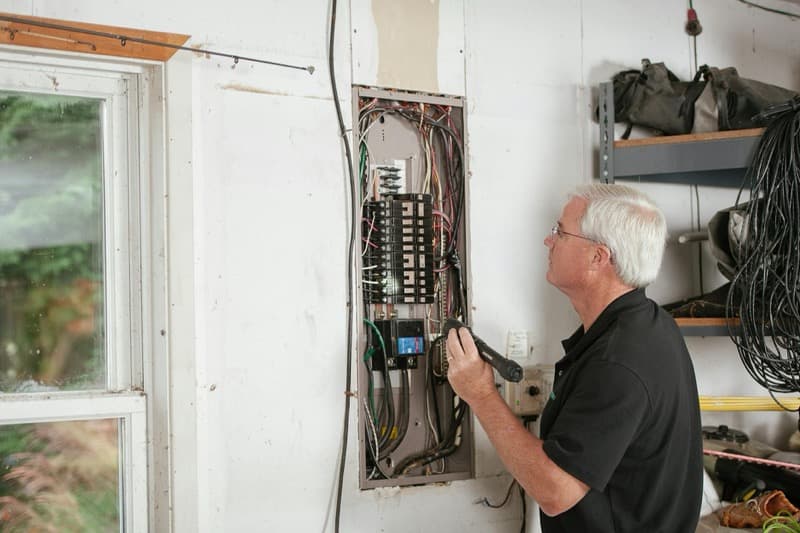
- Panel upgrade or replacement: permit required in all jurisdictions
- EV charger installation (new 240V circuit): permit required in virtually all jurisdictions
- Generator + transfer switch installation: permit required in all jurisdictions
- Hot tub or pool wiring: permit required in all jurisdictions
- Solar system electrical work: permit required in all jurisdictions
- Adding a sub-panel: permit required in all jurisdictions
The Permit Process: Step by Step
The electrical permit process varies by jurisdiction but typically follows a standard flow. Your licensed electrician submits a permit application to the local building department — either in person, online, or via mail. The application describes the scope of work and the address. In most jurisdictions, the permit is approved and issued within 1–5 business days for standard residential work. Some cities with online portals issue permits instantly. The permit fee is paid at issuance: $50–$300 for most residential electrical projects, higher for major projects like service upgrades or large commercial work. The licensed electrician does the work. After completion but before concealment (before closing walls, before energizing), the electrician calls for inspection. A city inspector visits — typically within 1–3 business days. The inspector checks the work against the NEC and local code amendments. If it passes, the permit is closed out with a final approval. If corrections are needed, the electrician addresses them and a re-inspection is scheduled. The permit card is typically posted at the job site during work and then filed with the building department permanently.
Can Homeowners Pull Their Own Electrical Permits?
In most US states, homeowners are allowed to do their own electrical work on their primary residence and pull the permit themselves. This is the 'owner-builder' exception to the contractor licensing requirement. However, the rules vary significantly by state. States where homeowners can generally do their own electrical work and pull permits: Texas, Florida, Georgia, Tennessee, Colorado, Washington, Oregon, and most other states. States with more restrictions: California allows homeowner electrical work but the homeowner must be the primary occupant, doing the work themselves, and must not hire unlicensed help. Some California cities have additional restrictions. Hawaii requires all electrical work to be done by licensed electricians — no homeowner exception. Connecticut, Massachusetts, and some other Northeastern states restrict homeowner electrical work significantly. Regardless of who does the work, the permit and inspection requirement applies. A homeowner who does their own electrical work without a permit faces the same consequences as a homeowner who hires an unlicensed contractor who skips permits — the work is unpermitted and all the legal and insurance consequences apply.
The Consequences of Unpermitted Electrical Work
The consequences of skipping electrical permits are serious and can be financially devastating. First, safety: unpermitted work has not been inspected. Electrical errors — wrong wire gauge for the circuit amperage, improper connections, missing ground fault protection — may exist undetected inside your walls until they cause a fire. This is the most important consequence. Second, insurance: homeowner insurance policies typically have exclusions for damage caused by unpermitted work. If a fire starts in a room where unpermitted electrical work was done, your insurer may deny the claim, potentially leaving you responsible for the full cost of damage. Third, sale complications: when you sell your home, buyers' inspectors and home inspection contingencies often reveal unpermitted work. Sellers in most states have disclosure obligations — you may be required to pull a retroactive permit, pay penalties, and potentially redo work that does not meet current code. Fourth, legal liability: if someone is injured as a result of unpermitted work, you may be personally liable in ways your insurance does not cover. Fifth, municipality enforcement: some cities actively pursue unpermitted work, requiring demolition and redo, plus fines of $500–$10,000.
Permit Cost Reality Check: A permit for an EV charger installation typically costs $75–$200. The electrician should include this in their quote — if a contractor is advertising a price that does not include permit fees, ask specifically. Any contractor who suggests skipping the permit to 'save money' is telling you something important about how they approach safety and professionalism. Walk away.
Retroactive Permits: How to Legalize Unpermitted Work
If you discover or inherit unpermitted electrical work, the process to legalize it is an 'as-built' permit. You or your electrician applies for a permit for work that has already been completed. The inspector will want to see the work — which may require opening walls to expose connections and verify wire routing. If the work meets current code, it passes and the permit is closed out. If it does not meet current code (which is common with older work, since code requirements change), corrections must be made before the permit can be approved. As-built permits typically cost 1.5–2x a standard permit fee, and the cost of opening and repairing walls for the inspection can be substantial. In some jurisdictions, there is an additional fine on top of the permit fee for completing work without a permit. It is always cheaper to do it right with permits the first time.