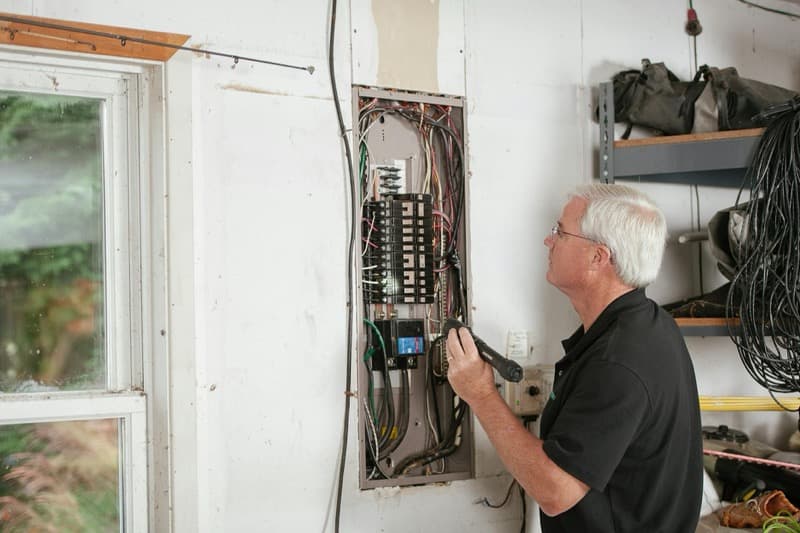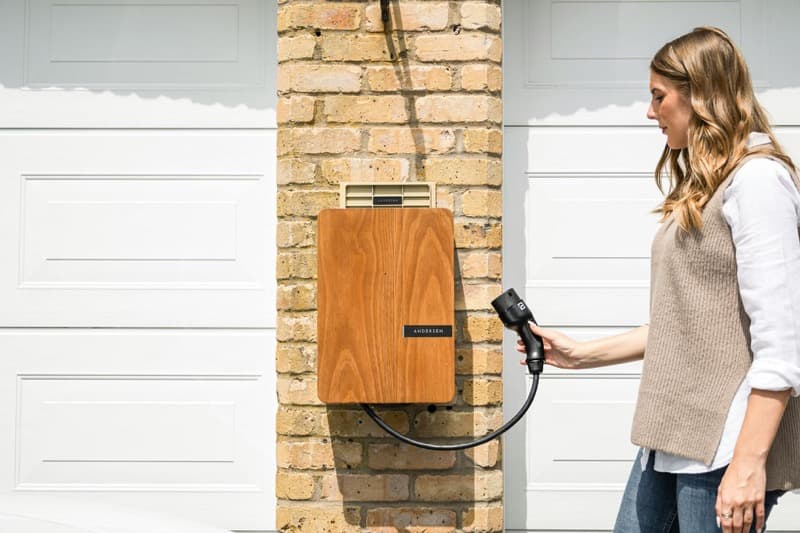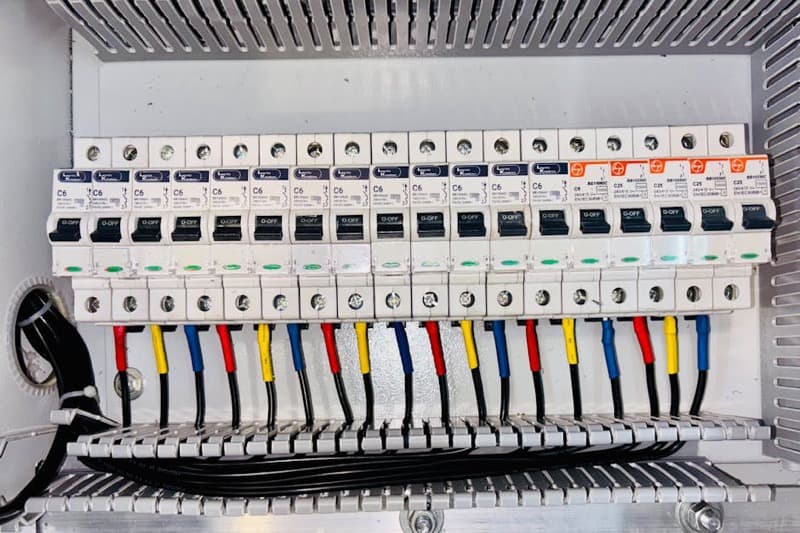
An electrical panel upgrade is one of the most impactful home infrastructure investments you can make — and also one of the most commonly misunderstood. Homeowners are often told they 'need a 200-amp panel' without understanding what that actually means, whether they truly need that much capacity, what brand and model to specify, or how to evaluate competing quotes. This guide covers the decision framework from start to finish: how to calculate your actual electrical load, how to determine the right service size, which panel brands are the industry standard, what the permit and utility coordination process looks like, and how to structure the upgrade to qualify for IRA tax credits.
What Panel Amperage Actually Means
The amperage of your electrical service (100A, 200A, 400A) describes the maximum continuous current your home can draw from the utility. At 240 volts, this translates to: 100A = 24,000 watts (24 kW) maximum, 200A = 48,000 watts (48 kW) maximum, 400A = 96,000 watts (96 kW) maximum. However, you cannot actually use the full rated amperage continuously — the National Electrical Code requires that continuous loads not exceed 80% of the overcurrent protection. So a 200-amp service practically delivers 160 amps (38,400 watts) for continuous loads. Why does this matter? Your home's actual electrical demand — the sum of all loads running simultaneously — must be calculated against your available capacity. If your electrical loads exceed your available capacity, breakers trip. If they consistently approach it, you have reliability issues and cannot add new loads without an upgrade.
Do You Actually Need 200 Amp or 400 Amp?
Most homes with 200-amp service have adequate capacity for typical residential needs, even with modern loads. The 200-amp upgrade makes sense when you are upgrading from 100-amp (which is the most common upgrade scenario), adding a Level 2 EV charger that maxes a full panel, adding a heat pump system to an all-electric home, building a home addition, or replacing a defective panel brand (FPE, Zinsco) regardless of capacity. The 400-amp service makes sense for very large homes (5,000+ sq ft), homes with multiple EV chargers, whole-home electrification projects (replacing all gas appliances with electric), homes with significant workshop loads, small commercial properties, or properties with ADUs (accessory dwelling units) sharing the same service. The decision should be based on a load calculation, not guesswork. An electrician performs a load calculation by inventorying your existing and planned electrical loads and applying NEC Article 220 demand factors to determine the required service size. Never upgrade to 400-amp service simply because a contractor suggests it without seeing a load calculation — it is a $5,000–$10,000 project that many homes do not actually need.
Panel Brands: What to Specify and What to Avoid
Not all electrical panels are created equal. The industry-standard brands for residential installation are Square D (QO series), Eaton (BR series), and Siemens (PL series). These three brands have decades-long track records of reliability, readily available replacement breakers, and broad support for specialty AFCI and GFCI breakers required by current code. Square D QO is particularly favored by professional electricians for its robust construction and comprehensive specialty breaker lineup. Eaton BR is an excellent choice with slightly lower prices on the equipment side. Avoid no-name import panels sold at price-point retailers — parts availability and long-term reliability are concerns. Avoid Murray panels (now discontinued; Square D acquired the brand and discontinued it — while existing Murray panels are serviceable, new installations should use current Square D or Eaton). Specifically reject: Federal Pacific Electric (FPE) Stab-Lok — documented dangerous, defective breaker design. Zinsco (including the Sylvania-branded version) — documented dangerous, defective breaker design. These two brands must be replaced, not just repaired, regardless of apparent function.
- Square D QO series: top choice for professional electricians; excellent AFCI/GFCI breaker selection
- Eaton BR series: strong reliability; slightly lower cost than QO; widely available
- Siemens PL/ES series: solid choice; good value; common in contractor packages
- Leviton Load Center: newer entrant; good quality; smart panel capabilities
- AVOID: Federal Pacific Electric (FPE) Stab-Lok — fire hazard
- AVOID: Zinsco / Sylvania GT — fire hazard
- AVOID: Generic import panels from unknown brands
How to Read an Electrical Panel Quote
A professional electrical panel upgrade quote should itemize the following: the panel brand and model (not just 'new 200-amp panel'), the number of circuit spaces (a 200-amp panel comes in 20, 24, 30, 40, or 42-space configurations — more spaces means room for future circuits; minimum 30 spaces for most homes), permits and utility disconnect fees (these should be included, not add-ons), service entrance cable (specify whether replacement is included if your existing cable is degraded), surge protection installation (a whole-home surge protector at the panel is $200–$400 installed and highly recommended, should be discussed if not included), and labor warranty. A quote that says only '200-amp panel upgrade, $2,800' without breaking down materials and labor is not adequate — you cannot compare it to other quotes or understand what is included. Ask for itemization, and ask specifically: which panel brand and model are you installing, is the permit included, does this include the utility coordination fee, and does your price include any service entrance work if needed?
IRA Section 25C Credit for Panel Upgrades
The Inflation Reduction Act provides a 30% federal tax credit under Section 25C for electrical panel upgrades, up to $600 per year, when the upgrade is done in connection with a qualifying energy efficiency improvement. Qualifying trigger projects include: heat pump installation, heat pump water heater installation, EV charger installation, biomass stove installation, and qualified insulation and air sealing. The panel upgrade itself must be performed to current NEC standards (NEC 2021 or later is the standard referenced in IRS guidance). To claim: get a receipt and certificate of compliance from your electrician confirming the panel meets current code, install the qualifying efficiency improvement in the same tax year, and file IRS Form 5695 with your annual return. The credit is non-refundable but can be carried forward in some cases. In the same year, a heat pump installation qualifies for up to $2,000 in 25C credits, and an EV charger qualifies for up to $1,000 in 30C credits — stacking these in a single tax year maximizes your incentives.
Smart Planning Tip: If you are planning both an EV charger and a panel upgrade, do them in the same tax year and in the same project scope if possible. Combined, they can qualify for up to $1,600 in federal tax credits ($600 panel + $1,000 charger) under IRA Section 25C and 30C respectively. Many electricians offer a bundled quote that is cheaper than two separate jobs.