HVAC - Guides, Tools & Local Professionals
Everything you need to understand HVAC - from AC sizing and heat pump selection to energy efficiency, emergency service, and finding the right contractor in your city.
Enter your city or ZIP code to find a licensed HVAC professional near you
Resource Library
HVAC Guides
One authoritative guide per topic - applies to every market, updated regularly.
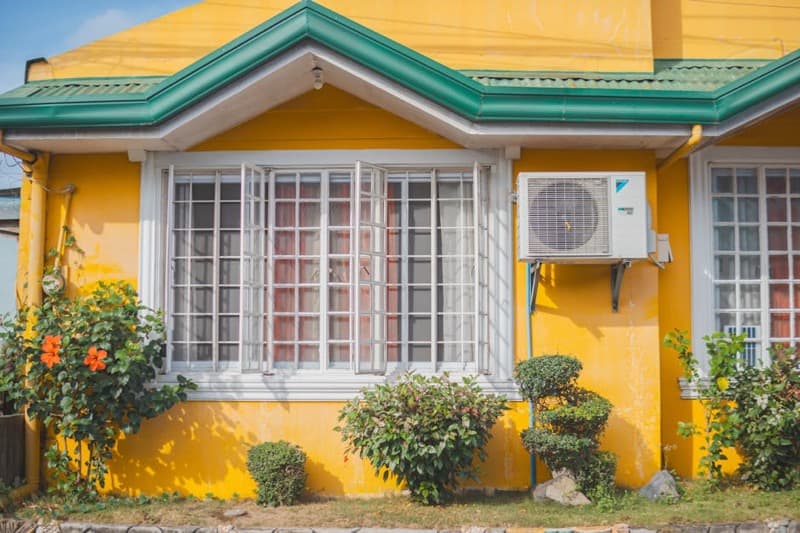
AC Sizing Guide
Manual J load calculations, tonnage explained, and why oversizing an AC system hurts more than it helps.
Read guide →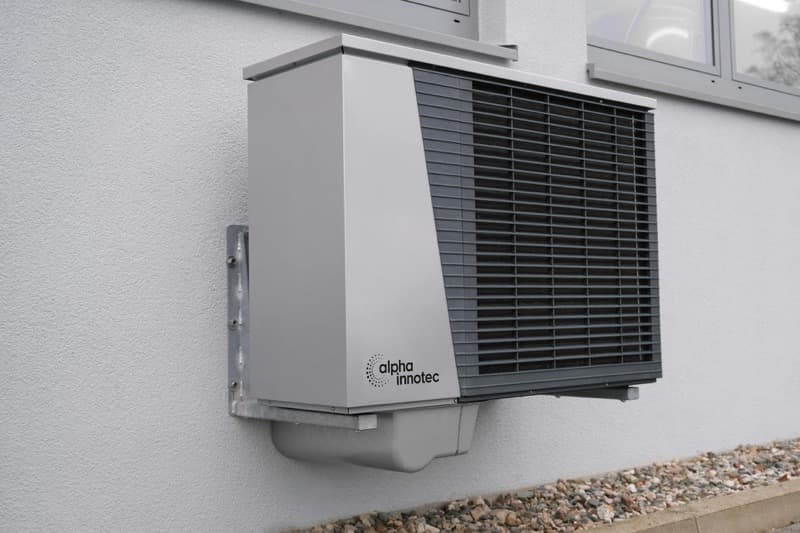
Heat Pump Guide
Air-source vs. ground-source, dual-fuel systems, cold-climate performance, and IRA tax credits explained.
Read guide →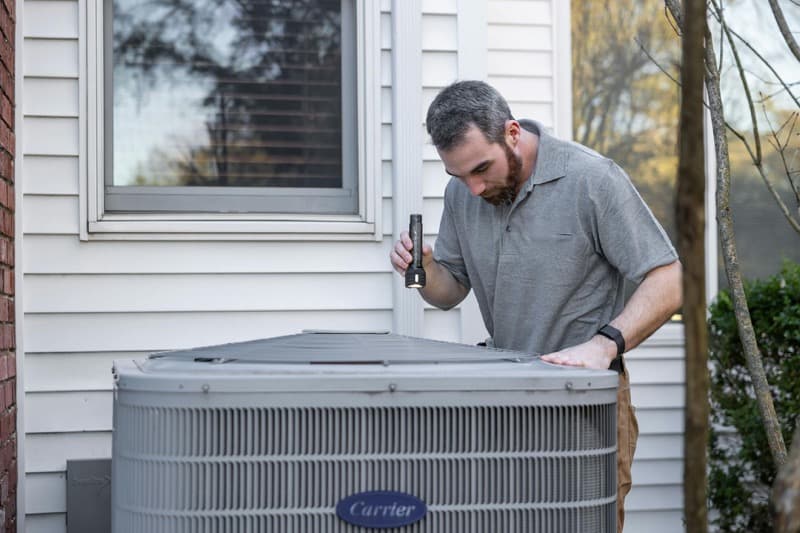
HVAC Insurance & Warranties
What homeowner insurance covers, HVAC equipment warranties, and how home warranty plans compare.
Read guide →Australian Reverse-Cycle Guide
ENERGY STAR star ratings, state rebates, and choosing the right reverse-cycle AC for Australian climates.
Read guide →National Pricing
HVAC Cost Guide
National averages - enter your city for local market pricing.
| Project Type | Low | High | Typical Avg |
|---|---|---|---|
| AC Repair (capacitor / refrigerant) | $150 | $900 | $400 |
| AC Replacement (2-3 ton central) | $3,500 | $8,500 | $5,800 |
| Furnace Replacement (gas, 80k BTU) | $2,500 | $6,500 | $4,200 |
| Heat Pump Installation (full system) | $5,000 | $12,000 | $7,800 |
| Mini-Split Installation (single zone) | $1,500 | $5,000 | $3,200 |
Installed cost for a standard 2,000-2,500 sq ft home. Local labor rates and system complexity will affect your actual quote.
Get local pricing for your city
National averages don't tell you what contractors in your market are charging. Enter your city to see hub-specific pricing.
Editorial
HVAC Blog
Guides, tips, and advice for every market - not city-specific.

How to Choose the Right AC System for Your Home

Heat Pumps vs. Gas Furnaces: A Complete Comparison

IRA HVAC Tax Credits: What Homeowners Need to Know in 2026
Signs Your AC Needs Replacement, Not Another Repair
DIY Reference
Seasonal HVAC Checklist
Quick maintenance steps every homeowner can do before each season to keep their system running well.
Before Summer (April-May)
- Replace air filter
- Clear 2ft around outdoor unit
- Test AC before first heat wave
- Check thermostat battery
Before Winter (October-November)
- Schedule furnace tune-up
- Check/replace furnace filter
- Test carbon monoxide detectors
- Inspect flue/exhaust vents
ProvenQuote Tools
HVAC Tools & Calculators
Free calculators - estimate costs, plan materials, assess damage, and understand insurance before talking to a contractor.
AC Size Calculator
FreeEnter your home size and climate zone to get a recommended AC tonnage range.
Use tool →Heat Pump Savings Calculator
FreeCompare heat pump vs. gas furnace operating costs based on your local utility rates.
Use tool →SEER Savings Calculator
FreeSee how much you save annually by upgrading from your current SEER to a higher-efficiency system.
Use tool →IRA Tax Credit Estimator
FreeEstimate your federal IRA heat pump and efficiency tax credits based on equipment type.
Use tool →Coverage & Claims
HVAC Maintenance Plans
Standard homeowner insurance covers HVAC equipment damaged by sudden covered perils - lightning, fire, storm surge - but not mechanical breakdowns. Understanding what your policy covers (and what it doesn't) before your system fails can save you thousands.
- Annual tune-ups extend system life by 3-5 years
- Priority emergency dispatch - skip the queue
- 10-15% discount on repairs for plan members
- Seasonal filter changes included
- Coil cleaning and refrigerant top-up included
What to Ask Your Contractor
Coil cleaning is often excluded from budget plans but is the most important maintenance task. Confirm it is included before signing.
Priority dispatch should have a defined window - 4 hours, 8 hours, etc. Verbal promises are not enough. Get it in writing.
Check your policy declarations page to confirm your coverage type before filing any claim.
Weather Intelligence
Emergency Service & Extreme Weather Alerts
HVAC systems are vulnerable to power surges, flooding, and storm damage. In hot climates, loss of cooling during a heat wave is a public health emergency. In cold climates, loss of heating in winter threatens safety. HVAC demand spikes dramatically after extreme weather events.
Combined heat and storm risk. AC failure during Houston or Austin summer heat waves is a medical emergency. Hurricane season also knocks out power and floods outdoor units.
Hottest metro areas in the US. AC failure when temps exceed 115°F can be fatal within hours. Demand surge during heat domes overwhelms contractors.
Year-round heat + hurricane season. AC runs 10-11 months/year. Post-hurricane power outages leave tens of thousands without cooling.
Extreme cold snaps. Furnace failures when temps drop to -20°F or below create immediate safety emergencies. Emergency heating demand overwhelms local contractors.
Long hot-humid seasons drive heavy AC usage. Heat pump adoption growing rapidly. Ice storm events stress heating systems.
Rapidly growing AC market after 2021 heat dome event (116°F in Portland). Most homes previously lacked AC - heat pump adoption accelerating.
Extreme cold snaps and increasingly hot summers. Furnace failures in -30°C weather are life-threatening. Heat pump adoption incentivized by Greener Homes Grant.
Record heat waves. Sydney and Melbourne see extreme heat events driving 10x demand surges for AC service and emergency repairs.
Live Emergency Service Demand Alerts
Real-time demand surge tracking by ZIP code - mapped to ProvenQuote hub markets. Know when extreme heat or cold is overwhelming local HVAC contractors. Know which cities need emergency service before homeowners even call. Integrated with NOAA weather data.
Terminology
HVAC Glossary
Key terms used by contractors, manufacturers, and insurers - explained plainly.
SEER Rating
HSPF
Heat Pump
Manual J
BTU
Variable Speed
R-410A Refrigerant
EPA 608 Certification
MERV Rating
Dual-Fuel System
Questions & Answers
HVAC Questions Clients Ask Most
Detailed answers to the most-searched questions — cost, hiring, DIY limits, emergencies, and maintenance.
How much does AC replacement cost?
How long does an HVAC system last?
What size AC do I need?
When should I replace vs. repair my AC?
What is a SEER rating and what SEER do I need?
How much does a heat pump cost installed?
What are IRA federal tax credits for HVAC?
How often should HVAC be serviced?
Why is my AC not cooling?
What causes high electricity bills in summer?
How long does AC installation take?
What is the difference between a heat pump and a furnace?
Do I need a permit for HVAC replacement?
How do I find a licensed HVAC contractor?
What should I expect during an HVAC tune-up?
Common HVAC Questions
How much does AC replacement cost?
What SEER rating should I choose?
Is a heat pump better than a gas furnace?
How long does an HVAC system last?
What does HVAC emergency service cost?
What IRA tax credits apply to HVAC upgrades?
Does homeowner insurance cover HVAC equipment?
How do I find a licensed HVAC contractor near me?
For HVAC Contractors
Own Your City.
Lease Your Market.
ProvenQuote features one exclusive contractor per city - dedicated, licensed, and ranked first across your local market. No shared leads. No bidding wars. Just direct homeowner requests.
For Businesses & Brands
Reach clients actively researching HVAC - guides, costs, maintenance plans, emergency service.
Local HVAC Professionals
Find a Pro in Your City
Each city hub features one dedicated, exclusive HVAC contractor. Enter your city or ZIP to find yours.
Live Markets