Find a Part P Qualified Electrician in the UK
Part P Building Regulations, NICEIC and NAPIT certification, and what to look for when hiring an electrician in the UK — from panel upgrades in London to EV charger installation across England, Scotland, and Wales.
Enter your city or ZIP code to find a licensed electrical professional near you
All notifiable electrical work in England must be done by a Part P registered contractor (NICEIC, ELECSA, NAPIT, or similar scheme). Wiring must comply with BS 7671 (IET Wiring Regulations). Scotland has separate regulations under Building (Scotland) Regulations 2004. Prices include 20% VAT.
Resource Library
Electrical Guides
One authoritative guide per topic — applies to every market, updated regularly.
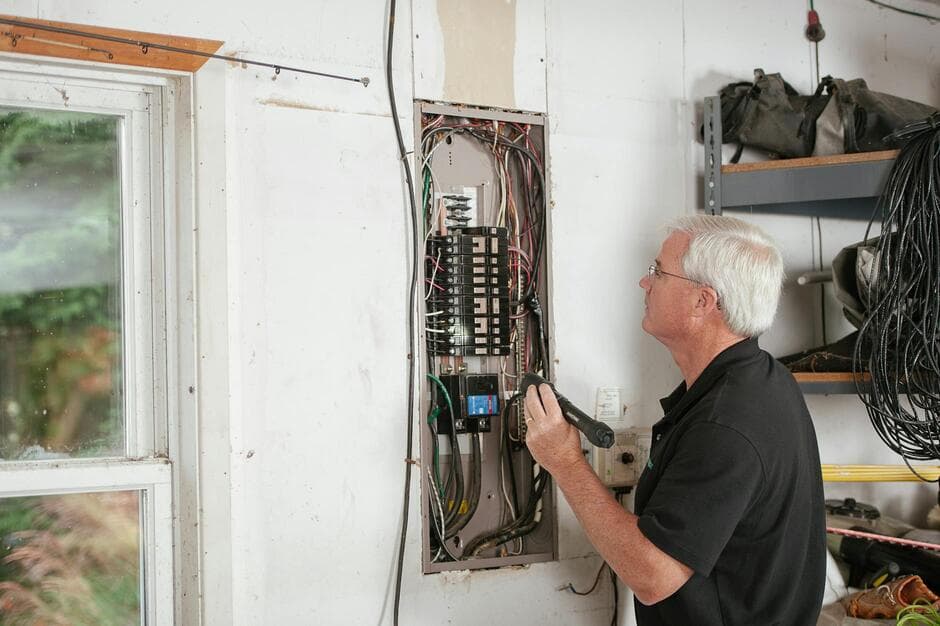
Electrical Panel Upgrade Guide
When to upgrade from 100A to 200A, what the process involves, permits required, and typical costs by city.
Read guide →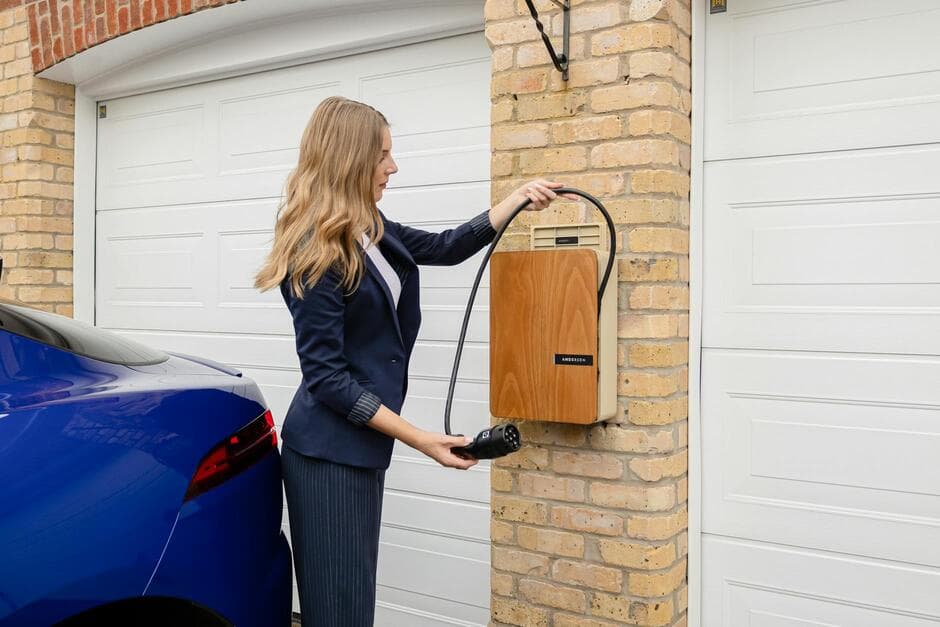
EV Charger Installation Guide
Level 1 vs. Level 2 chargers, installation requirements, utility rebates, and the IRA 30% federal tax credit.
Read guide →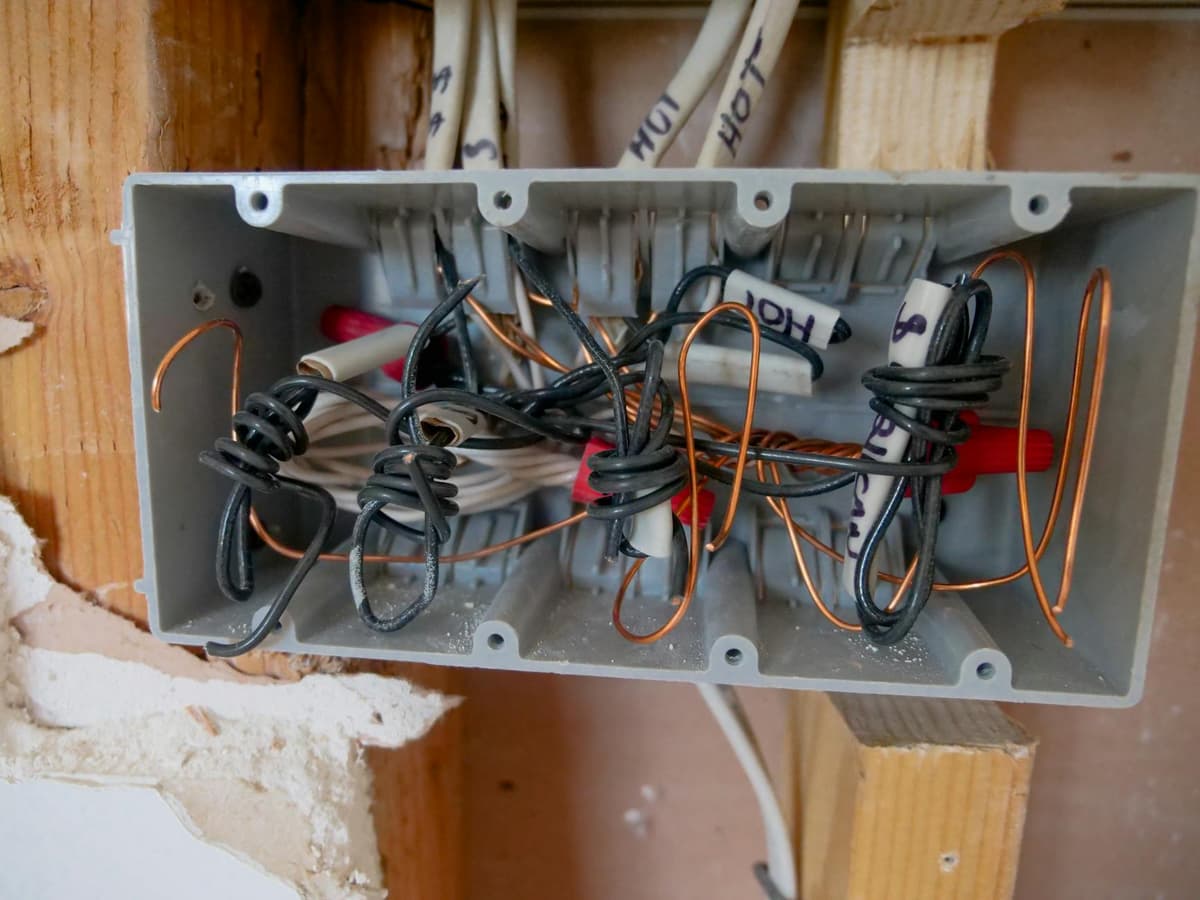
Aluminum Wiring Safety Guide
Is aluminum wiring dangerous? What homes are affected, repair options (COPALUM vs. rewire), and insurance implications.
Read guide →
Electrical Insurance & Code Compliance
What homeowner insurance requires for electrical systems, when knob-and-tube wiring affects your coverage, and code upgrade costs.
Read guide →National Pricing
Electrical Cost Guide
National averages — enter your city for local market pricing.
| Project Type | Low | High | Typical Avg |
|---|---|---|---|
| Panel Upgrade (100A → 200A) | $1,500 | $4,000 | $2,500 |
| EV Charger Installation (Level 2) | $400 | $1,500 | $900 |
| Outlet Installation (single) | $150 | $350 | $225 |
| Whole-Home Rewire (2,000 sq ft) | $8,000 | $20,000 | $13,000 |
| Ceiling Fan Installation | $100 | $350 | $200 |
| Generator Installation (standby) | $3,500 | $12,000 | $7,000 |
| Smoke/CO Detector Installation | $75 | $200 | $125 |
| Emergency Electrical (after hours) | $200 | $600 | $400 |
Prices reflect current local contractor rates. Actual quotes may vary based on scope, materials, and local labor rates.
Get local pricing for your city
National averages don't tell you what contractors in your market are charging. Enter your city to see hub-specific pricing.
Editorial
Electrical Blog
Guides, tips, and advice for every market — not city-specific.
ProvenQuote Tools
Electrical Tools & Calculators
Free calculators — estimate costs, plan materials, assess damage, and understand insurance before talking to a contractor.
Coverage & Claims
Electrical Coverage & Insurance Requirements
Homeowner insurance typically covers sudden electrical damage — lightning strikes, power surges, and accidental shorts. However, it excludes wear-and-tear failures, outdated wiring (knob-and-tube, aluminum), and code upgrades required after a claim. Some insurers will not cover homes with Federal Pacific or Zinsco panels.
- Covered: lightning damage, accidental surges, sudden wiring failures
- Not covered: wear-and-tear, code upgrades, outdated wiring maintenance
- Knob-and-tube or aluminum wiring: many insurers require remediation before coverage
- Federal Pacific / Zinsco panels: some insurers refuse coverage or charge higher premiums
Coverage Quick Reference
Homeowner's insurance typically covers sudden, accidental damage from a covered peril. Your out-of-pocket cost is your deductible only.
Wear-and-tear, maintenance failures, and gradual deterioration are excluded from standard homeowner's policies. A home warranty may cover these.
Check your policy declarations page to confirm your coverage type before filing any claim.
Weather Intelligence
Storm Surge & Outage Electrical Demand
Lightning strikes and power surges are the top electrical storm hazards. Whole-home surge protectors cost $250–$500 installed and protect all connected appliances. Generator installation demand spikes dramatically after prolonged outages from hurricanes and ice storms.
Hurricanes + grid failures. February 2021 grid collapse drove massive generator installation demand statewide.
Highest lightning density in the US. Direct strikes and surge damage peak June–September.
Hurricane Ida left 1M+ without power. Standby generator demand surges after every major storm season.
Ice storms cause widespread outages. Generators and transfer switch installations peak each winter.
Polar vortex events cause sustained outages. Older electrical infrastructure in pre-1960s homes adds risk.
Wildfire-related public safety power shutoffs (PSPS) drive battery backup and generator demand in wildfire zones.
Live Storm Damage Alerts
Real-time hail and wind storm reporting by ZIP code — mapped to ProvenQuote hub markets. Know which cities were hit before homeowners even file claims. Integrated with NOAA severe weather data.
Common Electrical Questions
What is Part P and what work does it cover?
What does a consumer unit (fuse box) replacement cost in the UK?
Is there a government grant for EV charger installation in the UK?
Do I need a permit for electrical work?
How much does a 200-amp panel upgrade cost?
Is there a federal tax credit for EV charger installation?
What is aluminum wiring and is it dangerous?
How do I know if my electrical panel needs to be replaced?
For Electrical Contractors
Own Your City.
Lease Your Market.
ProvenQuote features one exclusive contractor per city — verified, licensed, and ranked first for every homeowner search in your market. No shared leads. No bidding wars. Just direct homeowner requests.
For Businesses & Brands
Reach homeowners actively researching electrical — guides, costs, insurance, storm damage.
Local Electrical Professionals
Find a Pro in Your City
Each city hub features one verified, exclusive electrical contractor. Enter your city or ZIP to find yours.
Live Markets