New markets now open in Texas, Florida & California →
ProvenQuote · Gutters Section

Gutters - Installation, Guards & Maintenance Guides

Everything about gutters - from seamless aluminum vs vinyl options and gutter guard comparison to cleaning schedules and ice dam prevention.

Enter your city or ZIP code to find a licensed gutters professional near you

3,500
Average gutter installation (2,000 sq ft home)
20-30 yrs
Aluminum seamless gutter lifespan
$200
Average annual cleaning cost if hiring a professional
95%
Of foundation water damage originates from poor drainage

National Pricing

Gutters Cost Guide

National averages - enter your city for local market pricing.

Full cost guide →
Project TypeLowHighTypical Avg
Seamless aluminum installation (per linear ft)$6$12$8
Gutter guards (per linear ft)$3$12$6
Gutter cleaning$120$300$200
Fascia board repair (if needed)$200$500$350

Prices reflect current local contractor rates. Actual quotes may vary based on scope, materials, and local labor rates.

Get local pricing for your city

National averages don't tell you what contractors in your market are charging. Enter your city to see hub-specific pricing.

ProvenQuote Tools

Gutters Tools & Calculators

Free calculators - estimate costs, plan materials, assess damage, and understand insurance before talking to a contractor.

All 3 tools →

Coverage & Claims

Gutter Damage & Insurance Coverage

Homeowners insurance typically covers sudden gutter damage from covered perils like hail, wind, and falling trees. Clogged gutters, sagging from poor installation, and routine maintenance issues are excluded.

  • Hail and wind damage to gutters is typically covered
  • Clogged gutters and overflow damage are maintenance issues - not covered
  • If overflow causes foundation damage, the gutter neglect may affect your claim
  • Gutter installation is not covered - it is an improvement, not a repair
  • Document gutter damage with photos immediately after any storm event
Read the full insurance guide →

Filing a Gutter Damage Claim

Document First

Take detailed photos of the damage from multiple angles before any temporary repairs. Include the date-stamp if possible.

Check the Cause

Insurance covers sudden covered-peril damage, not pre-existing sagging or clog-related overflow. A contractor inspection confirms the cause.

Check your policy declarations page to confirm your coverage type before filing any claim.

Weather Intelligence

Storm Debris, Ice Dams & Overflow Risk

Gutters are your home's first line of defense against water damage. During heavy storms, clogged gutters overflow and direct water toward the foundation. In cold climates, ice dams form at the eave and force meltwater under the shingles. Proper gutter sizing, slope, and guards reduce both risks.

Heavy Rain & Storm DebrisIce DamsWind DamageLeaf BlockageSnow LoadHail Damage
Northeast & MidwestUnited States
Activity: Ice Dam Risk

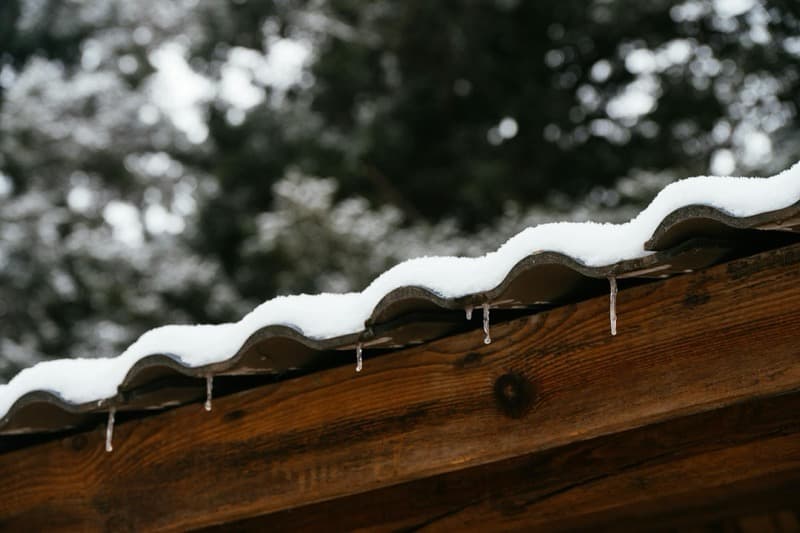
Ice dams form when heat escapes through the roof, melts snow, and the water refreezes at the cold eave. Heated gutter cables and proper attic insulation are solutions.

SoutheastUnited States
Activity: Storm Debris

Frequent severe storms deposit heavy debris loads. Annual professional cleaning and micro-mesh guards recommended in high-tree areas.

Pacific NorthwestUnited States
Activity: Heavy Rain

High annual rainfall demands proper gutter sizing (5" K-style minimum) and downspout placement every 35-40 linear feet.

Coming Soon

Live Storm Damage Alerts

Real-time hail and wind storm reporting by ZIP code - mapped to ProvenQuote hub markets. Know which cities were hit before homeowners even file claims. Integrated with NOAA severe weather data.

Questions & Answers

Gutters Questions Homeowners Ask Most

Detailed answers to the questions homeowners search most - cost, hiring, DIY limits, emergencies, and maintenance.

How much does gutter installation cost?

Gutter installation costs $4–$12 per linear foot for standard aluminum K-style gutters, with most homes requiring 150–250 linear feet of gutter. A typical single-story home with 200 linear feet of gutters runs $1,000–$2,500 installed. Multi-story homes and premium materials cost significantly more. **Cost by material (per linear foot installed):** - Aluminum: $4–$9/linear foot. The most popular choice — lightweight, rust-resistant, available in 30+ colors. - Vinyl: $3–$6/linear foot. Least expensive, but becomes brittle in cold climates and doesn't handle heavy snow well. - Steel: $8–$15/linear foot. More durable than aluminum for heavy snow loads. Galvanized steel can rust; stainless is rust-proof but expensive. - Copper: $15–$30/linear foot. Premium appearance, 50+ year lifespan, develops a natural patina. Common on historic homes and luxury properties. **Seamless vs. sectional:** - Seamless gutters: $5–$12/linear foot. Cut on-site by a truck-mounted machine to the exact length of each run. Fewer joints means fewer leak points. 80% of new gutter installations are seamless. - Sectional gutters: $3–$8/linear foot. Pre-cut 10–12 foot sections joined with connectors. More joints = more potential leak points. Primarily DIY or budget installations. **Additional costs:** - Downspouts: $4–$8 per linear foot; most homes need 4–8 downspouts - Gutter guards: $4–$20+ per linear foot depending on type - Fascia repair: $6–$20 per linear foot if existing fascia is rotted and must be replaced before gutter installation - Second-story premium: Expect 20–30% more for second-story work due to ladder equipment **What affects the final price:** Home perimeter and roof line complexity, number of corners and end caps, number of downspouts and their discharge routing, and local labor rates.

What size gutters do I need?

Most residential homes need 5-inch K-style gutters. Larger homes, steep-pitched roofs, or high-rainfall regions may need 6-inch gutters. Here's how to determine the right size for your home: **The two standard residential gutter sizes:** - 5-inch K-style: Handles roof drainage for most single-family homes. Holds approximately 1.2 gallons per linear foot. Standard for roofs up to 5,750 sq ft of drainage area with standard slopes and rainfall intensity. - 6-inch K-style: Required when drainage area exceeds 5,750 sq ft, roof pitch is steep (8:12 or greater — water runs off faster), or the home is in a high-rainfall climate (Southeast, Pacific Northwest, Hawaii). **How gutter sizing is actually calculated:** The International Plumbing Code and gutter industry standards use a formula based on: roof drainage area (sq ft) × roof pitch factor × regional rainfall intensity (inches/hour for the 5-minute 100-year storm event). The result tells you the required gutter capacity in gallons per minute. **Rainfall intensity by region:** - Southeast US (Atlanta, Charlotte, Miami): High intensity — often requires 6-inch gutters on medium-to-large homes - Pacific Northwest (Seattle, Portland): Moderate intensity but long duration — 5-inch usually adequate - Midwest and Northeast: Variable; 5-inch standard for most homes - Southwest (Phoenix, Las Vegas): Low intensity — 4-inch or 5-inch adequate **Downspout sizing:** - 2×3 inch downspout: Handles up to 40 linear feet of 5-inch gutter in standard rainfall areas - 3×4 inch downspout: Required for longer gutter runs or high-rainfall areas - 4-inch round downspout: Common on commercial and 6-inch gutter systems **Signs your current gutters are undersized:** Overflow from the front of the gutter during moderate rain (water cascades over the leading edge rather than into the gutter) indicates either undersized gutters, clogs, or incorrect pitch.

What is the best gutter material?

Aluminum seamless gutters are the best choice for most US homes — they balance cost, durability, maintenance requirements, and appearance. But the best material depends on your climate, budget, and aesthetic goals. **Aluminum (most popular):** - Cost: $4–$9/linear foot installed - Lifespan: 20–30 years - Pros: Rust-resistant, lightweight, available in 30+ colors to match fascia, can be painted, handles most climates well - Cons: Dents more easily than steel; may not be ideal in areas with very heavy snow loads or where falling branches are common **Steel (best for snow country):** - Cost: $8–$15/linear foot for galvanized; $20–$30 for stainless steel - Lifespan: 20–40 years (galvanized); 60+ years (stainless) - Pros: More impact-resistant than aluminum; handles heavy snow loads without deforming - Cons: Galvanized steel eventually rusts at exposed edges and joints; heavier than aluminum (requires stronger fascia) **Copper (premium/historic):** - Cost: $15–$30/linear foot installed - Lifespan: 50–100+ years - Pros: No painting ever required; develops a classic green patina; extremely durable; adds curb appeal on the right architectural style - Cons: Expensive; patina runoff can stain concrete and masonry; requires copper-compatible fasteners (aluminum and copper create galvanic corrosion) **Vinyl (budget only):** - Cost: $3–$6/linear foot installed - Lifespan: 10–15 years - Pros: Lowest upfront cost; easy DIY installation - Cons: Becomes brittle and cracks in cold climates (under 32°F); color fades; sags between hangers in heat; not suitable for areas with freeze-thaw cycles or heavy snow **Zinc:** - Cost: $12–$25/linear foot - Lifespan: 50+ years - Popular in Europe; gaining traction in premium US residential. Natural gray patina. Very durable but expensive and requires specialty installers. **Bottom line for most homeowners:** .032" wall thickness aluminum seamless gutters in a matching paint color is the best value. Specify the wall thickness — some budget contractors use .027" aluminum that dents and deforms more easily.

Do gutter guards really work?

Gutter guards reduce cleaning frequency but don't eliminate the need for maintenance — no gutter guard is 100% maintenance-free. The honest answer depends on the type of guard, your specific tree situation, and your definition of "work." **Types of gutter guards and their real-world performance:** **Micro-mesh guards (best performers):** - Cost: $15–$25/linear foot installed; $10–$20 DIY - How they work: Very fine stainless steel mesh (50–80 microns) over aluminum frame. Allows water through, blocks leaves, pine needles, and most debris. - Performance: Best overall. Keeps gutters cleaner than any other type. Still requires inspection and occasional rinsing every 2–3 years. Brands: Mastershield, LeafFilter, HomeCraft. - Warning: Some fine debris (roof granules, seed pods, pollen) can still accumulate inside. Inspect every few years. **Reverse-curve / surface tension guards:** - Cost: $6–$12/linear foot - How they work: Water clings to the curve and flows in; debris falls off - Performance: Works in light debris situations; fails with pine needles, small seed pods, and shingle granules. Not recommended for homes under heavy pine tree coverage. **Foam and brush inserts:** - Cost: $2–$5/linear foot - Performance: Poor long-term. Debris gets trapped in the foam/bristles and causes more clogs than no guard at all. Not recommended. **Perforated or screen covers:** - Cost: $1–$4/linear foot DIY; $4–$8 installed - Performance: Better than nothing for large debris but small debris passes through holes and accumulates faster. Requires regular cleaning. **The honest expectation:** Premium micro-mesh guards reduce cleaning from twice a year to once every 2–5 years for most homes. For homes under heavy oak or pine coverage, expect annual inspection regardless of guard type. The guards pay for themselves through reduced gutter cleaning service calls ($100–$250 per cleaning) over 5–10 years.

How often should gutters be cleaned?

Gutters should be cleaned at minimum twice a year — once in late spring (after trees have fully leafed out) and once in late fall (after trees have dropped their leaves). Homes under heavy tree cover may need 3–4 cleanings per year. **The standard schedule:** - **Late fall (November–December):** The most important cleaning. Remove all leaf fall before the first freezes. Wet decomposing leaves weigh several pounds per linear foot and hold moisture against the fascia and fascia boards, accelerating rot. - **Late spring (April–May):** Remove seeds, pollen, and any remaining debris before summer storm season. **When you need more frequent cleaning:** - Homes with overhanging pine, oak, maple, or sweetgum trees: Clean every 3–4 months - Areas with heavy seed fall (maples, sycamores): Add a third cleaning in spring when seeds fall - After major storms: Check gutters after any event with high winds or hail **What happens when gutters go uncleaned:** 1. Blockage causes water to back up and overflow the gutter edge — this runs behind the fascia and into the wall cavity, causing rot and mold 2. Standing water in gutters creates mosquito breeding habitat (stagnant water supports larvae in as little as 7–10 days) 3. Wet leaf debris accelerates gutter corrosion from the inside 4. In freeze-thaw climates, clogged gutters dramatically worsen ice dam formation **DIY vs. professional cleaning:** - Professional gutter cleaning: $100–$250 for a standard single-story home; $200–$400 for two-story - DIY cleaning requires a stable ladder, safety equipment, and a gutter scoop or garden hose with a gutter-cleaning wand attachment - For single-story homes with reasonable access, DIY is straightforward. Two-story homes with complex rooflines are best handled by a professional. **Documentation tip:** Take a short phone video walking along the gutter line after cleaning to document condition for insurance purposes and to track any developing cracks or separation.

What causes gutters to sag or pull away?

Sagging or pulling-away gutters are caused by hanger failure, fascia rot, weight overload from debris, or improper installation. This is one of the most common gutter problems and is always worth fixing promptly — a gutter that's pulling away from the fascia allows water to run directly down the exterior wall. **The main causes:** **1. Hanger spacing too wide:** Gutters should be supported with hangers every 24–36 inches maximum. Many older installations use hangers spaced 48–60 inches, which causes the gutter to bow and sag between supports under water and debris weight. Fix: Add hidden hanger screws between existing hangers. Cost: $1–$2 per hanger + labor. A DIY-friendly repair. **2. Hanger screws stripped out of fascia:** Over years of freeze-thaw cycling and vibration, the screws holding gutter hangers to the fascia strip out and no longer grip. Fix: Use longer 3" hex-head screws (replace 2" screws) to reach fresh wood, or use gutter repair bolts. **3. Fascia rot:** Water trapped behind clogged gutters saturates the fascia board, which rots and loses its ability to hold screws. Fix requires fascia replacement ($6–$20 per linear foot) before re-hanging gutters. Skipping fascia replacement means the new hangers will fail again within 1–2 seasons. **4. Debris weight:** A clogged gutter full of wet leaves and standing water can weigh 15–30 lbs per linear foot — far beyond design load. This bends the gutter and strips hangers. Prevention: regular cleaning. **5. Ice dam weight in cold climates:** Ice dams in gutters can weigh hundreds of pounds, tearing gutters off completely. This is why some cold-climate homeowners install heating cables along the roof edge and in gutters to prevent ice dam formation. **When pulling away indicates larger problems:** If gutters are pulling away at the fascia-to-rafter tail connection, there may be underlying rot in the rafter tails — a more significant repair requiring a carpenter to assess structural damage.

How do I prevent ice dams?

Ice dams form when heat escaping from a warm attic melts snow on the upper roof, and the meltwater refreezes at the cold eaves (the roof's edge overhanging the exterior wall). The resulting ice backs up under shingles and leaks into the home. Gutters accelerate ice dam damage by giving the ice a place to accumulate and adding weight. **The root cause is always attic heat loss.** Gutters don't cause ice dams — inadequate attic insulation and ventilation cause ice dams. Gutters just provide a convenient place for the ice to pile up. **Permanent prevention (address the root cause):** **1. Add attic insulation:** Code minimum attic insulation is R-38 to R-60 depending on climate zone. Many homes have R-19 or less. Adding insulation to R-49+ keeps the roof deck cold enough that snow doesn't melt. Cost: $1,500–$4,000 to insulate a typical attic. This also reduces heating and cooling costs significantly. **2. Improve attic ventilation:** Adequate attic ventilation (1 sq ft of vent area per 150 sq ft of attic floor, split between ridge and soffit) allows cold outside air to keep the roof deck uniformly cold. Blocked soffit vents are a common ice dam contributor. **3. Air seal attic bypasses:** Penetrations from recessed lights, exhaust fans, attic hatches, and plumbing chases allow warm living-space air into the attic. Sealing these with spray foam or rigid foam significantly reduces ice dam risk. **Temporary/secondary prevention:** **Roof ice cables (heat tape):** Self-regulating heating cables installed in a zigzag pattern on the roof edge melt channels in ice dams for water to escape. Cost: $300–$800 installed. They treat the symptom, not the cause, but prevent damage while you address the insulation. **Snow rakes:** After heavy snowfall, a long-handled snow rake ($30–$60) lets you remove snow from the lower 3–4 feet of the roof without a ladder, preventing the raw material for ice dams from accumulating. **Gutter de-icing cable:** Installing heating cable inside the gutter and downspout keeps a drainage path open. Works in conjunction with roof cables.

How long do gutters last?

Gutter lifespan varies significantly by material: aluminum gutters last 20–30 years, galvanized steel 20–40 years, copper 50–100+ years, and vinyl 10–15 years. Proper maintenance (regular cleaning and inspection) can extend any gutter's lifespan significantly. **Lifespan by material:** - **Aluminum:** 20–30 years. The most common residential material. Fails from joint separation, hanger failure, and oxidation at joints where dissimilar metals contact. Seamless aluminum outlasts sectional because it has fewer joints. - **Galvanized steel:** 20–40 years. Stronger than aluminum but eventually rusts at cut edges, joints, and any exposed metal. Paint and caulk maintenance extends life. - **Stainless steel:** 50+ years. Virtually maintenance-free; expensive but never rusts. - **Copper:** 50–100+ years. Historically the longest-lasting gutter material. No painting ever needed. Patina is self-protective. - **Vinyl:** 10–15 years. Degrades faster in UV-heavy climates (South, Southwest) and cold climates (becomes brittle below 32°F). Often needs replacement at the same time as a full roof replacement on older homes. **What shortens gutter lifespan:** - Infrequent cleaning (debris holds moisture against the gutter interior, accelerating corrosion from the inside) - Overhanging tree branches that drop acidic debris (pine needles, oak tannins accelerate aluminum oxidation) - Ice dam weight (bends and distorts gutters, tears hangers) - Improper installation (gutters pitched incorrectly toward downspouts, allowing standing water) **Signs gutters need replacement (not just repair):** - Multiple sections pulling away from fascia - Widespread rust or oxidation covering more than 30% of the gutter surface - Holes or cracks in more than 2–3 locations per run - Gutters that hold standing water after rain (improper pitch that cannot be corrected without full reinstallation) **Replacing gutters with a new roof:** If your roof is being replaced and your gutters are 15+ years old, replacing the gutters at the same time is practical — the roofing crew removes gutters anyway, and new gutters properly matched to the new roof system reduce callbacks.

What are signs I need new gutters?

Most homeowners wait too long to replace gutters, often discovering water damage to fascia, soffit, and wall framing that wouldn't have occurred with timely replacement. Here are the definitive signs: **Signs requiring full replacement:** **1. Visible cracks, holes, or gaps in gutter sections:** Small holes can be patched with gutter sealant; multiple holes scattered across the system indicate widespread material failure. When gutters develop widespread pinholes, it means the metal has thinned to the point where any repair is temporary. **2. Gutter paint peeling from the inside:** Interior peeling indicates long-term standing water — the gutter isn't draining properly, and the finish is failing from sustained moisture contact. This precedes rust through. **3. Rust or orange staining:** Rust-colored streaks on the fascia or foundation below the gutters indicates the gutters are rusting through and contaminating runoff. Once through-rust develops, replacement is necessary. **4. Gutters pulling away from the house in multiple locations:** One section pulling away can often be repaired with new hanger screws. Multiple sections pulling away indicate widespread fascia deterioration or inadequate original installation. **5. Mold or water stains on the home exterior:** Water staining on siding, foundation, or the interior wall below the gutter line indicates ongoing water overflow — gutters that are sagging, clogged chronically, or improperly sized. **6. Flooded basement or wet crawl space after rain:** If gutters are overflowing or improperly discharging water near the foundation, this water infiltrates through the foundation wall or floor. This connection is often missed. **Signs a repair may be sufficient:** - One section separated at a joint (can be re-caulked and screwed) - One hanger pulling away from fascia with solid wood behind it - Small hole or crack in an isolated location **The inspection approach:** Walk around your home during a moderate rainstorm. Any place water is overflowing, running down the exterior, or pooling at the foundation indicates a gutter problem that needs immediate attention.

How much does gutter guard installation cost?

Gutter guard installation costs $4–$30 per linear foot depending on the type, with professional installation versus DIY being a significant cost variable. For a typical 150–200 linear foot home, total costs run: **By type (installed price per linear foot):** - Mesh screen (basic): $1–$4 DIY; $4–$8 professional - Perforated aluminum covers: $2–$5 DIY; $5–$10 professional - Foam inserts: $2–$4 DIY (not recommended — see below) - Brush inserts: $3–$5 DIY (not recommended) - Reverse-curve / surface tension: $5–$12 professional - Micro-mesh (premium): $8–$15 DIY; $15–$30 professional (major brands: LeafFilter, Mastershield, HomeCraft Guard) **Premium system pricing (full home estimates):** - LeafFilter: Typically $1,800–$4,500 for a standard home (includes cleaning before installation and lifetime warranty) - MasterShield: $1,500–$4,000 for a standard home - HomeCraft: $1,200–$3,500 **What's typically included in professional installation:** - Gutter cleaning before guard installation - Tightening loose hangers - Resealing joints - The guards themselves with hardware - Warranty (lifetime on most premium systems; 10–15 years on contractor-installed mid-tier) **DIY vs. professional:** DIY micro-mesh products (Raptor, LeafBlaster Pro, AmeriMax) are available at home improvement stores for $2–$4/linear foot. For a homeowner comfortable on a ladder, DIY installation on a single-story home is straightforward and saves $800–$2,000. Professional installation is recommended for two-story homes and complex rooflines. **Return on investment:** Gutter cleaning services cost $100–$250 per visit for a standard home. At twice-annual cleaning, that's $200–$500/year. Premium guards that reduce cleaning to every 3–5 years pay for themselves in 5–8 years for most homeowners.

What is K-style vs half-round gutters?

K-style and half-round are the two most common gutter profiles in the US. Each has distinct aesthetic associations and functional characteristics. **K-style gutters (also called "ogee" gutters):** - Profile: Flat bottom, flat back, decorative front face that mimics crown molding - Capacity: Holds more water per inch of width than half-round. A 5-inch K-style holds more than a 5-inch half-round of the same width. - Cost: $4–$9/linear foot installed - Best for: Modern homes (1950s–present), ranch-style, colonial, craftsman - Pros: Higher water capacity, stronger structure (flat back is rigid against fascia), widely available - Cons: Debris accumulates in interior corners; slightly harder to clean than the rounded interior of half-round **Half-round gutters:** - Profile: Semicircular tube — a half-cylinder - Capacity: Lower than K-style for same nominal width because the rounded shape holds less volume - Cost: $8–$15/linear foot installed (more expensive because they're less common and require special brackets) - Best for: Older homes (pre-1950), craftsman bungalows, Tudor revival, colonial with traditional detailing, historic properties - Pros: Interior has no corners where debris accumulates; easier to clean; classic, historic appearance; commonly used with copper - Cons: Lower water capacity per nominal size means you need to size up (6-inch half-round to match the capacity of a 5-inch K-style); requires round spike-and-ferrule or half-round hanger brackets that are less widely available **Which to choose:** - If your home was built before 1950 or has traditional architectural detailing: half-round looks correct and authentic - If your home was built after 1950 or is contemporary: K-style is standard and appropriate - In either case, copper gutters look better in half-round profile; aluminum is most cost-effective in K-style **Sectional vs. seamless in each style:** Both K-style and half-round can be installed as seamless (preferable) or sectional. Seamless aluminum K-style is by far the most common new installation in the US.

How are seamless gutters different?

Seamless gutters are continuous runs of gutter material formed on-site by a roll-forming machine mounted on the installer's truck, cut to the exact length needed. They have only three joints per run: the two end caps and where the downspout connects. Sectional gutters are pre-cut in 10–12 foot lengths and joined with connectors. **Why seamless gutters are better:** - **Fewer leaks:** Every joint in a gutter is a potential leak point. Sectional gutters have a joint every 10–12 feet; seamless gutters have one at each end. Less joints = fewer places for caulk to fail, for debris to catch, and for water to escape. - **Better appearance:** No visible seams or connectors on the front face of the gutter. Seamless gutters have a cleaner, more professional look. - **Custom fit:** Each run is cut to the precise length needed — no gaps or awkward overlaps at corners or transitions. - **Durability:** Without joints that can separate, loosen, and leak, seamless gutters typically outlast sectional installations by 5–10 years. **How seamless gutters are made:** The installer arrives with a coil of aluminum (or steel or copper) and a roll-forming machine. They measure each gutter run, feed the material into the machine, and it forms the K-style or half-round profile continuously. The run is cut to exact length and installed immediately. This is why seamless gutters can't be purchased at a store — they must be custom-formed and installed by a contractor with the equipment. **Cost comparison:** - Sectional aluminum: $3–$6/linear foot installed - Seamless aluminum: $5–$9/linear foot installed - The 20–30% premium for seamless is almost always worth it on new installations. **When sectional makes sense:** DIY installation, repairs to an existing sectional system where matching one section is more practical than full replacement, or temporary installations. **The industry standard:** Over 80% of professionally installed residential gutters in the US are seamless aluminum. If a contractor quotes you sectional gutters for a new installation without explaining why, ask about seamless.

Can I install gutters myself?

Yes, sectional gutter installation is a manageable DIY project for a homeowner comfortable working on a ladder. Seamless gutters require specialized roll-forming equipment and cannot be DIY-installed. Here's what you need to know: **What you can DIY:** - Replacing damaged sections of existing sectional gutters - Adding gutter guards to existing gutters - Installing new sectional aluminum or vinyl gutters on a single-story home - Replacing downspout sections and extensions **What you cannot DIY:** - Seamless gutter installation (requires a roll-forming machine mounted on a contractor's truck) - Second-story gutter work (ladder safety on two-story homes is genuinely dangerous without proper equipment) - Gutter installation requiring fascia repair before hanging (rot assessment and carpentry best left to a pro) **What you need for DIY sectional installation:** - Materials: 10-foot gutter sections, inside/outside corners, end caps, downspout outlets, gutter connectors, downspouts, elbows, and hangers - Tools: Tin snips, drill with hex-head bit, caulk gun, level, tape measure, chalk line, sturdy ladder - Safety: Use a ladder stabilizer (standoff arms that keep the ladder away from the gutter line), not the gutters themselves as a ladder rest **DIY installation steps (simplified):** 1. Mark gutter pitch: 1/4 inch of drop per 10 feet toward downspout location 2. Snap a chalk line along fascia at the high end; measure down to the low end 3. Install fascia brackets along the chalk line every 24 inches 4. Cut gutter sections to length with tin snips 5. Assemble sections with connectors and gutter sealant (not just caulk) 6. Install downspout outlets, hang gutters, and attach downspouts **Material cost for DIY:** - Sectional aluminum gutter kit for 150-foot home: $400–$700 in materials - Same job installed professionally (seamless): $800–$1,500 - DIY savings: $400–$800, but you get sectional gutters, not seamless **Honest assessment:** For a capable DIYer on a single-story home, this is a realistic weekend project. For anything two stories or above, the safety risk and seamless quality advantage make professional installation clearly worth the cost.

How do I clean gutters safely?

Gutter cleaning is the #1 cause of ladder-related falls among homeowners — approximately 164,000 emergency room visits per year in the US involve ladder falls. Safe gutter cleaning starts with the right equipment and technique. **Required safety equipment:** - **Ladder:** An A-frame stepladder for single-story homes (8–10 foot ladder); an extension ladder for two-story (24–28 foot). Never use a stepladder leaning against the house — use an extension ladder properly angled (4:1 ratio — base 1 foot out for every 4 feet of height). - **Ladder stabilizer (standoff):** A stabilizer attaches to the ladder and creates standoff arms that rest against the wall above the gutter line, not on the gutter itself. This prevents gutter damage and makes the ladder more stable. Cost: $30–$60. - **Non-slip shoes:** No flip-flops or smooth-soled shoes. - **Work gloves:** Gutter debris contains decomposing organic matter, bird droppings, and sometimes sharp metal shards. - **Safety glasses:** Debris falls when scooping. **Cleaning methods:** **Hand scooping (most thorough):** Work from one end toward the downspout. Use a plastic gutter scoop ($5) or your gloved hand to remove debris and drop it into a bucket or onto a tarp below. Flush with a garden hose after clearing. **Garden hose with gutter cleaning wand:** Curved wand ($15–$25) attaches to a hose and lets you spray from ground level or a lower ladder position. Works for light debris but doesn't remove heavy packed leaves effectively. **Leaf blower with gutter cleaning kit:** A curved attachment blows debris along the gutter and out the end. Creates a mess on the ground but effective for dry, loose leaves. Doesn't work on wet packed debris. **Wet/dry vacuum with gutter attachment:** Best for DIYers who don't want debris falling on the ground or landscaping. Slow but clean. **Ground-based methods:** Telescoping gutter cleaning wands for garden hoses allow gutter cleaning from the ground on single-story homes. Less thorough than hand cleaning but safer. Cost: $20–$60. **Two-story homes:** Seriously consider hiring a professional for second-story work. Professional gutter cleaning for a two-story home is $150–$300 — a reasonable cost compared to the genuine ladder fall risk.

Does gutter damage affect my roof?

Yes — neglected or damaged gutters are a major cause of roof and structural damage. The gutter system is the first line of defense against water infiltration at the roofline, and when it fails, the consequences extend well beyond cosmetic issues. **How gutter problems damage roofs and structures:** **1. Ice dam formation (cold climates):** Clogged gutters filled with debris and standing water are the most common ice dam contributor. When this water freezes, it creates a dam that forces ice and meltwater back under the shingles, causing interior leaks, insulation damage, and ceiling stains. This damage is directly traceable to clogged gutters. **2. Fascia and soffit rot:** The fascia board (to which gutters are attached) and soffit (the underside of the roof overhang) are exposed wood. When gutters overflow, sag, or pull away from the fascia, water runs directly down the fascia and soffit, causing wood rot. Rotted fascia must be replaced before gutters can be re-hung. Soffit rot can allow pests (squirrels, birds, insects) to enter the attic. **3. Rafter tail rot:** Below the fascia, rafter tails extend from the attic. Chronic moisture from overflowing gutters saturates rafter tails, causing rot that can progress into the attic framing. This is the most expensive consequence of gutter neglect — structural carpentry repairs cost $1,000–$5,000+ depending on extent. **4. Foundation damage:** Gutters that drain improperly — downspouts discharging too close to the foundation, or gutter overflow at a corner — direct water toward the foundation. Over years, this saturates the soil adjacent to the foundation, increases hydrostatic pressure, and causes basement water infiltration and foundation cracking. **5. Shingle damage:** Gutters filled with debris can hold moisture against the lower course of shingles, accelerating shingle granule loss and wood deck decay at the eave edge. **Maintenance schedule to protect your roof:** Clean gutters twice a year minimum; inspect at every cleaning for fascia condition, proper pitch, and complete downspout drainage away from the foundation (extend downspouts at least 5–6 feet from the foundation).

Common Gutters Questions

Do I really need gutter guards?

Gutter guards make sense if your home is surrounded by deciduous trees that shed heavily in fall. Quality micro-mesh guards ($3-$12/linear foot) nearly eliminate cleaning in heavy-debris areas and pay for themselves within 3-5 years compared to annual professional cleaning. Avoid foam and brush inserts - they clog from the inside and are difficult to clean.

How often should gutters be cleaned?

Clean gutters at minimum twice per year - once in late spring after tree pollen season and once in late fall after leaves drop. Homes with pine trees overhead may need quarterly cleaning because pine needles clog faster than leaves. If you have gutter guards, inspect annually even if you do not need to clean.

What are ice dams and how do I prevent them?

Ice dams form when heat escaping through the roof melts snow, which runs to the cold eave and refreezes - backing up under shingles and causing interior leaks. The fix is proper attic insulation (R-38 to R-60 in cold climates) and adequate ventilation, not just heated gutter cables. Heated cables prevent icicles but do not address the underlying cause.

What size gutters do I need?

Most residential homes use 5-inch K-style gutters. Larger homes (3,000+ sq ft), homes with steep pitches, or homes in high-rainfall areas (Pacific Northwest, Southeast) should use 6-inch gutters. Downspouts should be placed every 35-40 linear feet at minimum. Undersized gutters overflow during heavy rain events and direct water toward the foundation.

What is the difference between aluminum and vinyl gutters?

Aluminum seamless gutters are the industry standard for residential homes - they last 20-30 years, resist rust, handle temperature extremes well, and are available in 25+ colors. Vinyl gutters cost less but become brittle in cold climates and sag over time. Copper gutters are premium products lasting 50+ years but cost 5-10x more than aluminum. For most homeowners, seamless aluminum is the right choice.

For Gutters Contractors

Own Your City.
Lease Your Market.

ProvenQuote features one exclusive contractor per city - dedicated, licensed, and ranked first for every homeowner search in your market. No shared leads. No bidding wars. Just direct homeowner requests.

1
Contractor per city
0
Shared leads
Free
Quote requests
24h
Setup time

For Businesses & Brands

Reach homeowners actively researching gutters - guides, costs, insurance, storm damage.

Advertise with us →

Local Gutters Professionals

Find a Pro in Your City

Each city hub features one dedicated, exclusive gutters contractor. Enter your city or ZIP to find yours.

Live Markets