Find a Licensed Plumber in Australia
State licensing requirements, QBCC in Queensland, VBA in Victoria, and what to look for when hiring a plumber in Australia — from Sydney to Melbourne, Brisbane, Perth, and Adelaide.
Enter your city or ZIP code to find a licensed plumbing professional near you
All plumbing work in Australia requires a licensed plumber. QBCC (QLD), VBA (VIC), NSW Fair Trading (NSW), Consumer and Business Services (SA). Prices include GST (10%). Always request a tax invoice and licence number.
Resource Library
Plumbing Guides
One authoritative guide per topic — applies to every market, updated regularly.
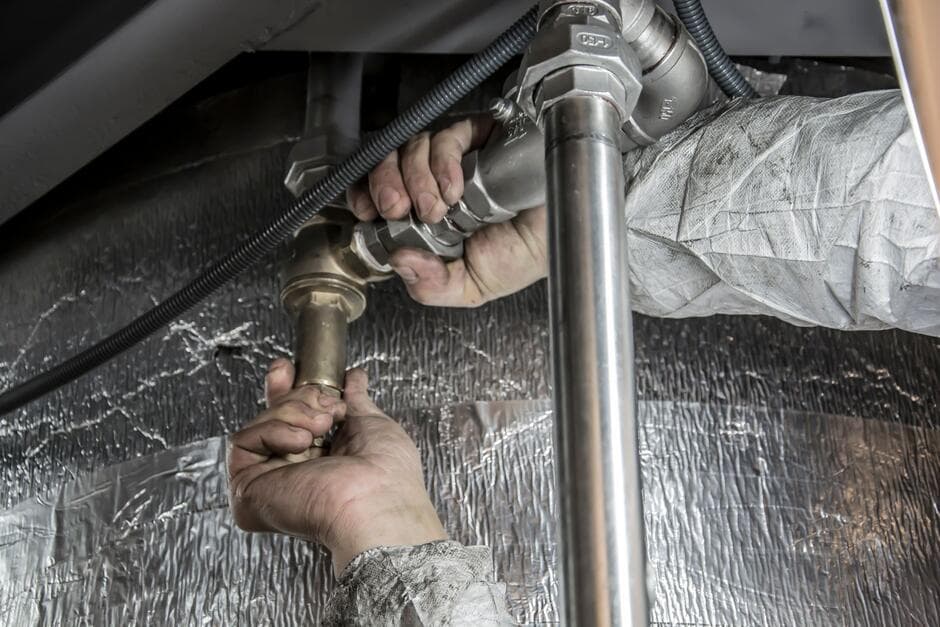
Water Heater Replacement Guide
Tank vs. tankless, sizing, expected lifespan, hard water impact, and when to repair vs. replace.
Read guide →
Drain Cleaning Guide
Snaking vs. hydro-jetting, when each is needed, and how to prevent recurring clogs.
Read guide →
Slab Leak Detection & Repair
Signs of a slab leak, detection methods, repair options (spot repair vs. reroute), and typical costs.
Read guide →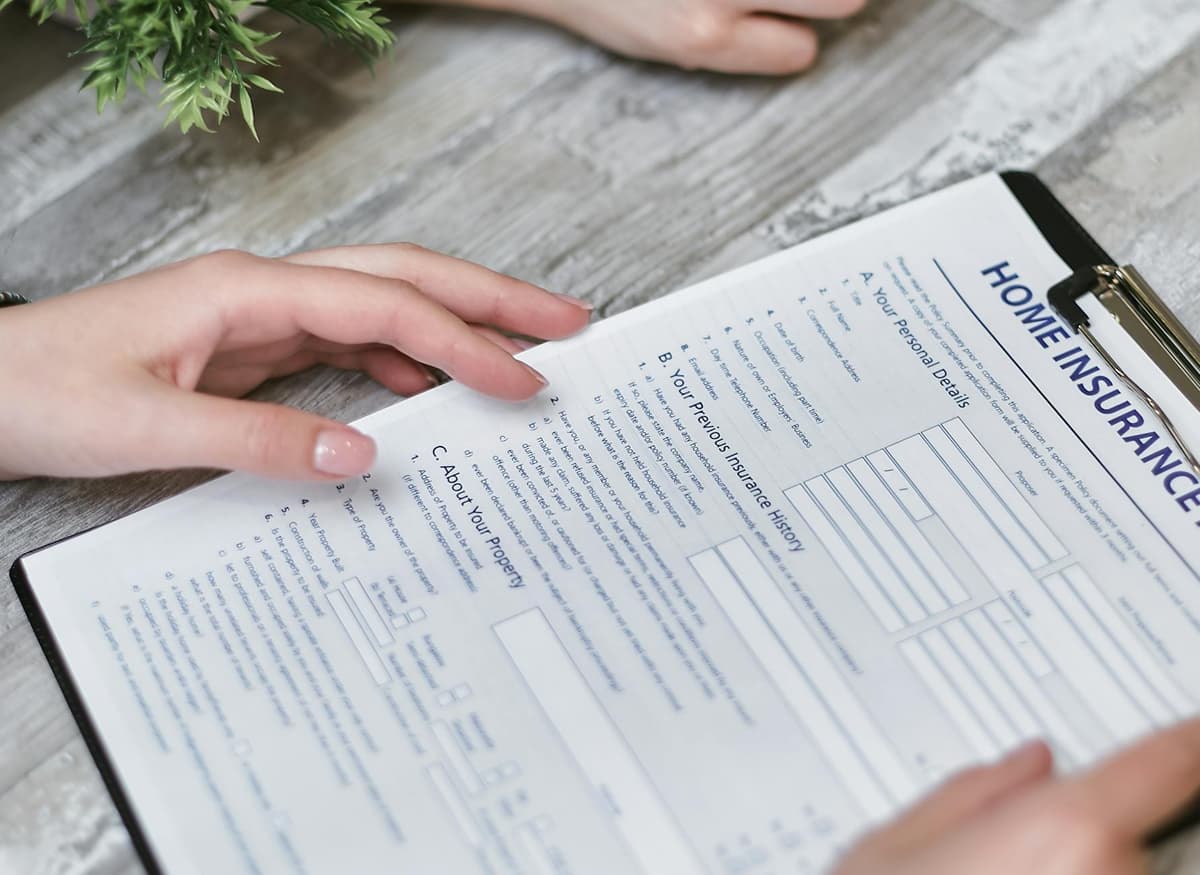
Plumbing Insurance & Home Warranty
What homeowner insurance covers, what it excludes, and how home warranty plans handle plumbing failures.
Read guide →National Pricing
Plumbing Cost Guide
National averages — enter your city for local market pricing.
| Project Type | Low | High | Typical Avg |
|---|---|---|---|
| Drain Cleaning (snake) | $150 | $500 | $275 |
| Drain Cleaning (hydro-jet) | $350 | $1,000 | $600 |
| Water Heater Replacement (40-gal tank) | $800 | $1,800 | $1,200 |
| Tankless Water Heater Installation | $1,500 | $3,500 | $2,400 |
| Slab Leak Repair (spot repair) | $500 | $2,500 | $1,400 |
| Sewer Line Replacement | $3,000 | $15,000 | $7,500 |
| Toilet Installation | $150 | $400 | $250 |
| Pipe Burst Repair (emergency) | $400 | $1,500 | $800 |
Prices reflect current local contractor rates. Actual quotes may vary based on scope, materials, and local labor rates.
Get local pricing for your city
National averages don't tell you what contractors in your market are charging. Enter your city to see hub-specific pricing.
Editorial
Plumbing Blog
Guides, tips, and advice for every market — not city-specific.

How Long Does a Water Heater Last? (And When to Replace It)

Slab Leak Warning Signs Every Homeowner Should Know

Drain Cleaning Guide: Snaking vs. Hydro-Jetting

How to Find a Licensed Plumber (And Red Flags to Avoid)
ProvenQuote Tools
Plumbing Tools & Calculators
Free calculators — estimate costs, plan materials, assess damage, and understand insurance before talking to a contractor.
Coverage & Claims
What Plumbing Insurance Actually Covers
Standard homeowner insurance covers sudden, accidental plumbing damage — a burst pipe, an appliance overflow — but excludes gradual leaks, sewage backups (unless you have rider coverage), and maintenance-related failures. Slab leak repair costs are often only partially covered.
- Covered: burst pipes (sudden), water damage from appliance failures, accidental overflows
- Not covered: gradual leaks, slow drain damage, sewer backup (without rider), flooding
- Slab leaks: typically covered for water damage caused, not the pipe repair itself
- Home warranty: usually covers water heater, plumbing stoppages, and built-in appliances — check exclusions
Coverage Quick Reference
Homeowner's insurance typically covers sudden, accidental damage from a covered peril. Your out-of-pocket cost is your deductible only.
Wear-and-tear, maintenance failures, and gradual deterioration are excluded from standard homeowner's policies. A home warranty may cover these.
Check your policy declarations page to confirm your coverage type before filing any claim.
Weather Intelligence
Winter Freeze & Storm Plumbing Risk
Winter storms are the leading cause of plumbing emergencies in cold-climate cities. Pipes in exterior walls and unheated crawl spaces are highest risk when temperatures drop below 20°F.
Cast iron pipes + polar vortex events. Chicago sees pipe burst surge calls each January.
February 2021 freeze caused ~1.4M burst pipes statewide. Uninsulated pipes in slab homes are critical risk.
Rapid temperature swings. Denver can drop 50°F in 24 hours, catching homeowners unprepared.
Sustained sub-zero temps require insulated pipe sleeves on exterior walls and crawl spaces.
Rarely freezes but pipes are often uninsulated. When it does freeze, emergency call volume spikes dramatically.
Freeze risk minimal. Primary concern is water heater efficiency loss from hard water scale. Flush annually.
Live Storm Damage Alerts
Real-time hail and wind storm reporting by ZIP code — mapped to ProvenQuote hub markets. Know which cities were hit before homeowners even file claims. Integrated with NOAA severe weather data.
Common Plumbing Questions
How are plumbers licensed in Australia?
How much does a hot water system replacement cost in Australia?
How much does a plumber cost per hour?
Do I need a permit for plumbing work?
How long does a water heater last?
What are signs of a slab leak?
What causes low water pressure throughout my house?
For Plumbing Contractors
Own Your City.
Lease Your Market.
ProvenQuote features one exclusive contractor per city — verified, licensed, and ranked first for every homeowner search in your market. No shared leads. No bidding wars. Just direct homeowner requests.
For Businesses & Brands
Reach homeowners actively researching plumbing — guides, costs, insurance, storm damage.
Local Plumbing Professionals
Find a Pro in Your City
Each city hub features one verified, exclusive plumbing contractor. Enter your city or ZIP to find yours.
Live Markets