New markets now open in Texas, Florida & California →
ProvenQuote · Concrete Section

Concrete - Driveways, Patios & Flatwork Guides

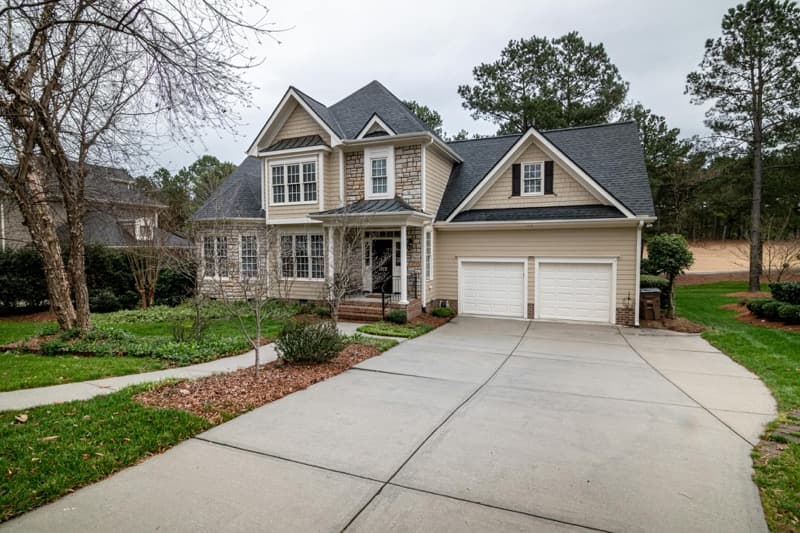
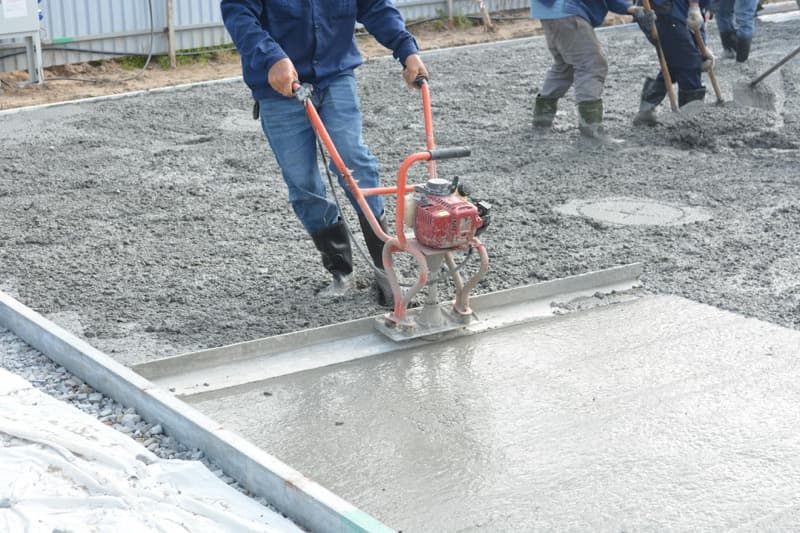
From poured concrete driveways and patios to decorative finishes, stamped concrete, and structural flatwork - everything you need to plan a concrete project.

Enter your city or ZIP code to find a licensed concrete professional near you

7,500
Average concrete driveway (600 sq ft)
$6-$12
Average cost per square foot installed
30-50 yrs
Concrete lifespan with proper installation and sealing
5-7 days
Typical cure time before use

National Pricing

Concrete Cost Guide

National averages - enter your city for local market pricing.

Full cost guide →
Project TypeLowHighTypical Avg
Concrete driveway (per sq ft)$6$12$8
Stamped concrete (per sq ft)$12$22$16
Concrete patio (per sq ft)$6$11$8
Crack repair$200$800$400

Prices reflect current local contractor rates. Actual quotes may vary based on scope, materials, and local labor rates.

Get local pricing for your city

National averages don't tell you what contractors in your market are charging. Enter your city to see hub-specific pricing.

ProvenQuote Tools

Concrete Tools & Calculators

Free calculators - estimate costs, plan materials, assess damage, and understand insurance before talking to a contractor.

All 3 tools →

Coverage & Claims

Concrete Damage & Homeowners Insurance

Homeowners insurance rarely covers concrete driveway or patio damage from normal wear, tree roots, or ground settling. Sudden damage from a covered event (vehicle collision, a fallen tree) may be covered depending on your policy.

  • Sudden vehicle damage to driveway may be covered
  • Tree root heave and settling are maintenance issues - not covered
  • Contractor warranty covers workmanship defects for the agreed term
  • Get a written warranty that specifies what defects are covered and for how long
  • Most contractors offer 1-year workmanship warranty; some offer longer for structural work
Read the full insurance guide →

When Insurance Applies

Vehicle Impact - Usually Covered

If a vehicle drives through your fence and damages your driveway, the at-fault driver's liability or your collision coverage may apply.

Cracking & Settling - Not Covered

Standard wear from ground movement, tree roots, and freeze-thaw cycling is not covered by homeowners insurance. Regular sealing and prompt crack repair extend life.

Check your policy declarations page to confirm your coverage type before filing any claim.

Weather Intelligence

Freeze-Thaw Damage & Concrete Cracking

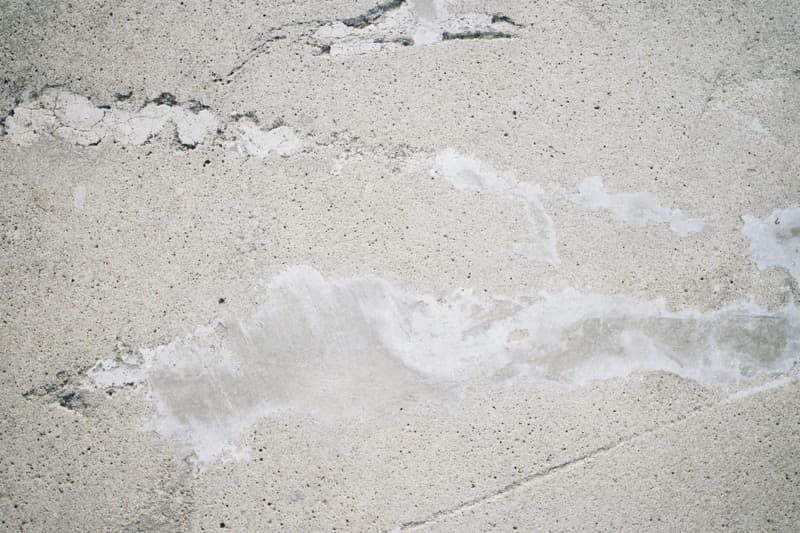
Freeze-thaw cycles are the primary cause of concrete cracking and spalling in cold climates. Water enters micro-cracks, freezes, expands, and widens the crack. The right mix design, sealing, and drainage significantly extend concrete life in freeze-prone areas.

Hard Freeze & FrostIce Melt Chemical DamageHeavy Rain & DrainageGround HeaveWildfire Heat (spalling)
Midwest & NortheastUnited States
Activity: High Freeze-Thaw Risk

Multiple freeze-thaw cycles per winter. Air-entrained concrete mix is standard. Avoid calcium chloride ice melt - it attacks concrete surfaces.

Mountain WestUnited States
Activity: Moderate-High Risk

Elevation determines freeze exposure. High-altitude concrete must be specified for freeze-thaw resistance from day one.

Southern USUnited States
Activity: Low Risk

Minimal freeze-thaw cycles but thermal expansion and heavy vehicles still cause cracking. Proper sub-base and joint placement are key.

Coming Soon

Live Storm Damage Alerts

Real-time hail and wind storm reporting by ZIP code - mapped to ProvenQuote hub markets. Know which cities were hit before homeowners even file claims. Integrated with NOAA severe weather data.

Questions & Answers

Concrete Questions Homeowners Ask Most

Detailed answers to the questions homeowners search most - cost, hiring, DIY limits, emergencies, and maintenance.

How much does a concrete driveway cost?

A concrete driveway costs $4–$10 per square foot installed for standard broom-finished concrete, with most homeowners spending $3,000–$10,000 for a typical two-car driveway (400–800 sq ft). The national average is around $5,500 for a standard two-car driveway. **By size and cost:** - Single-car driveway (200–300 sq ft): $1,500–$4,000 - Two-car driveway (400–600 sq ft): $3,500–$7,500 - Three-car or extended driveway (600–1,000 sq ft): $5,500–$12,000 - Circular or curved driveway (1,000–1,500 sq ft): $9,000–$18,000 **What drives price:** - **Thickness:** Standard driveway concrete is 4 inches thick for passenger vehicles ($4–$7/sq ft). For heavy trucks, RVs, or areas with soft subgrade, 6-inch thickness adds $1–$2/sq ft. - **Subgrade preparation:** Excavating and grading an existing lawn, removing an old asphalt or concrete driveway ($1–$3/sq ft demolition), and adding 4–6" of compacted gravel base adds $800–$3,000. - **Stamped or decorative finish:** Adds $3–$8/sq ft to the base cost (see stamped concrete question below) - **Reinforcement:** Rebar reinforcement adds $0.50–$1.50/sq ft. Standard fibermesh or wire mesh is often included in base pricing. - **Regional pricing:** Concrete labor costs vary significantly — Midwest and Southeast tend to be 10–20% below national average; coastal markets (California, Northeast) run 20–40% above. **Concrete vs. asphalt:** Asphalt driveways cost $3–$7/sq ft installed (lower upfront) but require resealing every 3–5 years and replacement every 15–20 years. Concrete driveways cost more upfront but last 30–50 years with minimal maintenance.

How long does concrete last?

Concrete driveways last 25–50 years. Concrete patios, walkways, and flatwork generally last 30–50 years. Structural concrete (foundations, bridges) is engineered to last 50–100+ years. The actual lifespan depends heavily on climate, subgrade preparation, thickness, and maintenance. **What extends concrete lifespan:** - Proper subgrade: Well-compacted, well-drained base gravel prevents the settlement and cracking that kills most driveways prematurely - Adequate thickness: 4 inches minimum for driveways; 5–6 inches where freeze-thaw cycles are frequent or heavy vehicles are expected - Control joints: Saw-cut or tooled joints every 8–12 feet give the concrete a place to crack in a straight, controlled line instead of randomly - Sealing: Applying a quality penetrating sealer ($0.30–$0.75/sq ft) every 3–5 years reduces water penetration and chemical damage - Avoiding deicing salt: Salt is the #1 killer of concrete in cold climates — it accelerates the freeze-thaw spalling cycle dramatically **What shortens concrete lifespan:** - Poor subgrade compaction (concrete cracks and settles within 5–10 years) - Inadequate thickness (3" or less cracks under vehicle loads) - Heavy vehicle overloading (concrete rated for passenger vehicles fails quickly under dump trucks or delivery vehicles parked long-term) - Deicing chemicals — sodium chloride (rock salt) causes more surface deterioration than all other factors combined in freeze-thaw climates - Tree root pressure (roots under concrete slabs lift and crack them over 10–20 years) **Regional lifespan variations:** In the Sun Belt (Arizona, Texas, Florida) without freeze-thaw cycles, a properly installed concrete driveway routinely lasts 40–50 years. In the Rust Belt (Ohio, Michigan, Minnesota) with salt and freeze-thaw, 25–35 years is typical with good maintenance.

What is the difference between concrete and asphalt?

Concrete and asphalt are the two most common driveway materials in the US, and each has genuine advantages depending on climate, budget, and aesthetic preference. **Material composition:** - Concrete is made of Portland cement, aggregate (gravel and sand), and water. It cures into a rigid, stone-like material. - Asphalt is made of aggregate bound by bitumen (a petroleum byproduct). It cures into a flexible, tar-like material that remains slightly pliable. **Cost comparison:** - Asphalt: $3–$7/sq ft installed (lower upfront) - Concrete: $4–$10/sq ft installed (higher upfront) - Over 30 years, total cost of ownership often favors concrete because asphalt requires resealing every 3–5 years ($200–$600 per application) and full replacement every 15–25 years. **Climate performance:** - **Cold climates (Midwest, Northeast, Mountain West):** Asphalt performs better because it's flexible and handles freeze-thaw cycles without the surface spalling that affects concrete. However, asphalt softens in extreme summer heat. Concrete in cold climates needs sand-based deicers (not salt). - **Hot climates (Southwest, Southeast):** Concrete performs better in extreme heat. Asphalt can soften and develop ruts where vehicles park long-term in temperatures above 95°F. Concrete reflects more heat (lighter color), keeping surface temperatures lower. **Maintenance:** - Asphalt: Must be sealed every 3–5 years ($0.10–$0.25/sq ft). Requires full replacement every 15–25 years. - Concrete: Seal every 5–10 years ($0.30–$0.75/sq ft). Repairs surface cracks with concrete caulk. Lasts 30–50 years with minimal maintenance. **Appearance:** - Concrete can be stamped, colored, and textured — extensive decorative options - Asphalt is dark gray to black, with limited decorative options - Both can be painted or stenciled, though these finishes are short-lived **Repairs:** - Asphalt is easier and cheaper to patch: $50–$200 for a small area - Concrete patches are difficult to match and may look visually inconsistent

What causes concrete to crack?

Concrete cracking is extremely common — virtually all concrete develops some cracks over time. Understanding the cause helps you distinguish cosmetic cracks from structural ones. **The five main causes of concrete cracking:** **1. Plastic shrinkage (during curing):** Concrete shrinks as it cures. If surface water evaporates too quickly during hot, windy curing conditions, the surface shrinks faster than the interior, creating random surface cracks within the first 24–48 hours. These are typically shallow and cosmetic. **2. Settlement cracks (subgrade failure):** When the ground beneath concrete is not properly compacted, soil settles unevenly over time, and the concrete slab cracks along the settlement line. These cracks often run diagonally and can indicate structural problems if they widen or develop vertical offset. **3. Freeze-thaw expansion:** Water penetrates surface pores, freezes, and expands approximately 9% in volume. This cycle repeated hundreds of times per winter in northern climates causes surface flaking (spalling) and propagates existing cracks. Sealing concrete prevents water penetration and is the primary defense against freeze-thaw damage. **4. Tree root pressure:** Roots grow under concrete slabs and lift them over 10–20 years. These cracks typically run along the root growth path and often create visible heaving of the concrete surface. **5. Overloading:** Concrete rated for passenger vehicles (4" thick) will crack under repeated heavy vehicle loads — delivery trucks, concrete mixers, RVs parked long-term. The cracks typically radiate from the point of overload. **Control joints vs. cracks:** Saw-cut or tooled control joints are intentional weaknesses that guide where concrete will crack — essentially pre-cracking the concrete along straight, planned lines. A crack along a control joint is normal and expected. A crack elsewhere indicates one of the causes above. **When to worry:** Cracks wider than 1/4 inch, cracks with vertical displacement (one side higher than the other), or rapidly widening cracks warrant professional assessment. These may indicate significant subgrade problems.

How do I repair concrete cracks?

Concrete crack repair is DIY-able for cracks up to 1/2 inch wide with no vertical displacement. Wider cracks, cracks with displacement, or cracks indicating subgrade failure warrant professional evaluation first. **Choosing the right repair material:** **Hairline cracks (under 1/8"):** Apply a concrete crack sealer or masonry crack filler (Quikrete Concrete Crack Seal, $8–$15 at home improvement stores). Apply with a squeeze bottle, allow to cure 24 hours. This is primarily cosmetic — prevents water infiltration but won't restore structural integrity. **Medium cracks (1/8"–1/2"):** Use a polyurethane or epoxy concrete crack filler. Clean the crack with a wire brush and compressed air, apply backer rod foam for cracks deeper than 1/2", and fill with polyurethane sealant (Sikaflex, NP-1, or similar). These remain flexible and handle concrete movement better than rigid fillers. **Wide cracks (over 1/2"):** Use hydraulic cement or vinyl concrete patcher for structural fills. Chisel the crack into a V-shape or undercut the edges to create a mechanical key for the patch material. Feathering a patch at the edges will cause it to fail — patches need minimum 1/4" depth to bond properly. **Surface spalling:** Resurface with a concrete resurfacer (Quikrete Re-Cap, $25–$35/bag covers 40–80 sq ft). Clean, etch with muriatic acid or concrete cleaner, dampen the surface, and apply resurfacer with a squeegee or broom. Hides surface damage and adds 5–10 years to a weathered driveway. **What won't work long-term:** - Patches that feather to zero thickness will pop off within 1–2 freeze-thaw seasons - Asphalt cold patch in concrete cracks (different thermal expansion rates causes rapid failure) - Painting over cracks without filling them **When to call a professional:** If the concrete has multiple cracks with any vertical displacement, heaving, or if large sections have settled, a contractor should assess the subgrade before any surface repair is done.

What is stamped concrete and how much does it cost?

Stamped concrete is decorative concrete that has been imprinted with patterns mimicking brick, slate, flagstone, wood planks, cobblestone, or other textures, often with integral or broadcast color added. It achieves the look of premium hardscape materials at a lower cost than genuine stone or brick installation. **Cost of stamped concrete:** - Basic single-pattern, single-color stamp: $8–$14/sq ft installed - Multi-pattern or multi-color complex designs: $12–$20/sq ft installed - Stamped concrete overlay (applied over existing concrete): $5–$10/sq ft Compare to alternatives: - Plain broom-finished concrete: $4–$8/sq ft - Natural flagstone or slate: $15–$35/sq ft installed - Brick paver installation: $12–$25/sq ft installed **How it's done:** Color (integral pigment or broadcast color hardener) is added to or applied on the concrete. Before the concrete fully cures — typically in the 1–4 hour window after placement — rubber stamps are pressed into the surface to create the texture pattern. A release agent prevents the stamps from sticking and often adds a secondary color accent. After curing, the surface is treated with a sealer that enhances color and protects the pattern. **Maintenance:** Stamped concrete requires sealing every 2–5 years ($0.50–$1.50/sq ft). Sealers can be solvent-based (more glossy, high shine) or water-based (lower sheen, easier to apply). Resealing keeps colors vibrant and prevents water infiltration. **Limitations:** - Slippery when wet if a high-gloss sealer is used — request an anti-slip additive for pool decks, steps, and sloped areas - Color fades over time without regular resealing - Cracks in stamped concrete are more visible and harder to repair invisibly than in plain concrete - Repairs that require patching are almost impossible to match perfectly **Most popular applications:** Pool decks, patios, driveways, walkways, and outdoor entertaining areas. Stamped concrete is particularly popular in the South and Southwest where outdoor living spaces are heavily used.

Do I need a permit for a concrete driveway?

Concrete driveway permits are required in many US cities and counties, though requirements vary significantly. Some jurisdictions require permits for any concrete flatwork; others only require permits for driveways that connect to a public street. **When a permit is typically required:** - New driveway installation where curb cut (lowering the curb to create an access point from the street) is needed — almost always requires a city permit and sometimes a separate right-of-way permit - Expanding an existing driveway more than a certain percentage (typically 25–50%) - Adding a new impervious surface area above a stormwater threshold (many cities limit impervious coverage to 40–60% of lot area) - Replacing a driveway in cities with active stormwater management programs **When a permit is typically NOT required:** - Replacing an existing driveway in the same footprint without curb modifications (in many cities) - Small concrete pads, walkways, and steps (in most residential jurisdictions) - Concrete work entirely within the property that doesn't connect to a public street **How to check:** Call your city or county building department, or search "[your city] concrete driveway permit." Most building departments have an online permit information page. This call takes 5 minutes and can prevent a costly mistake. **The curb cut issue:** Any driveway that creates or modifies a curb cut almost universally requires a permit from the city public works or traffic engineering department, separate from the building permit. Curb cuts affect pedestrian and traffic safety and are strictly regulated. **Consequences of skipping a permit:** Unpermitted concrete is a disclosure issue at home sale. In cities with active enforcement, an unpermitted driveway can result in a stop-work order (if caught during construction) or a required removal notice (if discovered later). Removal and reinstallation of a concrete driveway after the fact costs $8–$20/sq ft — the price of doing it right the first time.

How long does it take for concrete to cure?

Concrete reaches approximately 70% of its design strength after 7 days and full design strength (100%) after 28 days. However, "cured enough to use" depends on the application: **Practical timeline:** - **Light foot traffic:** 24–48 hours after pour - **Vehicles (passenger cars):** 7 days minimum; 10–14 days is safer, especially for thinner slabs or cold-weather pours - **Heavy vehicles (trucks, loaded trailers, RVs):** Full 28-day cure before parking or loading - **Sealing or painting:** At least 28 days; many sealers require 28–90 days after cure **What curing actually means:** Curing is the hydration process in which water reacts with cement particles to form calcium silicate hydrate crystals — the crystalline matrix that gives concrete its strength. This process begins immediately after placement and continues for months, with the vast majority of strength gain happening in the first 28 days. **Temperature effects on cure time:** - Below 50°F: Hydration slows significantly; below 40°F it stops almost entirely. Cold-weather pours need blankets, insulated forms, or heated enclosures to maintain cure temperature. Concrete poured below 40°F without protection may never achieve design strength. - Above 90°F: Surface evaporation is too rapid, potentially causing plastic shrinkage cracks. Contractors shade the pour, use evaporation retarder, and apply water curing (wetting the surface) during hot conditions. - Ideal curing temperature: 50–90°F with the concrete surface kept moist for the first 3–7 days **How to keep concrete moist during curing:** - Cure-and-seal compounds sprayed immediately after finishing (standard practice for driveways and flatwork) - Burlap or cotton mats kept wet and laid over the surface for 7 days - Plastic sheeting to trap moisture **The most common mistake:** Driving on a new driveway before 7 days. The concrete looks hard but will permanently take tire impressions or stress cracking from vehicle loads that it would easily handle after full cure.

What is the best concrete sealer?

The best concrete sealer depends on what you're protecting against and the appearance you want. There are three main types, each suited to different applications: **Penetrating sealers (silane/siloxane/siliconate):** - Best for: Driveways, sidewalks, any concrete exposed to freeze-thaw cycles and deicing chemicals - How they work: Penetrate into the concrete pores and react chemically to form a water-repelling crystalline barrier. Invisible finish — no sheen. - Performance: Best protection against freeze-thaw damage and deicing salt. Don't change the surface appearance. - Cost: $0.25–$0.60/sq ft. Brands: Ghostshield Siloxa-Tek 8505, RadonSeal, Prosoco SLX100 - Reapplication: Every 5–10 years **Acrylic sealers:** - Best for: Stamped concrete, decorative flatwork, patios, pool decks - How they work: Form a film on the surface that enhances color and provides water resistance - Finish: Low sheen (water-based) to high gloss (solvent-based). Solvent-based acrylic sealers are the standard choice for stamped concrete color enhancement. - Cost: $0.20–$0.50/sq ft material. Brands: Sinak-GL, Foundation Armor AR350, Quikrete Acrylic Concrete Sealer - Reapplication: Every 2–5 years (solvent-based) or 1–3 years (water-based) **Epoxy and polyurethane sealers:** - Best for: Garage floors, commercial floors, high-traffic interior concrete - How they work: Form a thick, hard coating over the surface - Finish: High gloss, excellent abrasion resistance - Cost: $0.50–$2.00/sq ft material. Brands: Rust-Oleum EpoxyShield, Ghostshield Lithi-Tek 4500 - Reapplication: Every 3–7 years; requires diamond grinding to remove and reapply **What to avoid:** Avoid cheap "concrete sealer" products at big-box stores (thin acrylic formulations that peel within 1–2 seasons). For driveways in cold climates, never use a film-forming sealer (acrylic, epoxy) as the primary deicing protection — penetrating silane/siloxane sealers outperform film-formers significantly in freeze-thaw resistance.

How thick should a concrete driveway be?

A standard residential concrete driveway should be 4 inches thick minimum. For heavier use cases, 5–6 inches is the right specification. Here's the full breakdown: **4 inches:** Minimum thickness for passenger vehicles (cars, SUVs, light trucks under 10,000 lbs GVWR). This is the standard for most residential driveways. With proper subgrade and reinforcement, a 4-inch driveway lasts 25–40 years. **5 inches:** Recommended when heavy pickup trucks (3/4-ton and above), large SUVs, or occasional service vehicle access (HVAC, appliance delivery) is expected. A 25% increase in thickness increases flexural strength significantly. The additional cost is modest — roughly $0.50–$1.00/sq ft. **6 inches:** Required for frequent heavy vehicle access — RV parking, commercial delivery vehicle access, heavy equipment. Also recommended in areas with poor soil conditions (expansive clay, filled areas, high water table soils). Costs $1–$2/sq ft more than 4-inch. **The subgrade matters as much as thickness:** A 6-inch slab on a poorly compacted, poorly drained subgrade will fail sooner than a 4-inch slab on a properly prepared 6-inch compacted gravel base. The standard specification is: 4–6 inches of compacted Class II base aggregate (gravel) beneath the concrete slab. **Reinforcement:** Standard practice is one of: - Welded wire mesh (WWM) placed in the lower third of the slab (most common for residential driveways) - Rebar grid (#3 or #4 rebar at 18" on center) for heavier-duty applications - Synthetic fiber (fibermesh) added to the concrete mix — reduces plastic shrinkage cracking but provides less structural reinforcement than rebar **When to specify more thickness:** If a concrete contractor quotes you a 3-inch driveway to reduce cost, that is below ACI (American Concrete Institute) minimum recommendations for vehicular traffic. 3-inch slabs crack and fail quickly under vehicle loads. Don't accept it.

What causes concrete to spall?

Concrete spalling — the flaking, scaling, and pitting of the concrete surface — is one of the most common concrete problems in cold climates. It occurs when water penetrates the surface, freezes, and forces the surface layer off. Here's the full breakdown: **Primary causes of concrete spalling:** **1. Freeze-thaw cycling with deicing chemicals:** This is far and away the #1 cause. Water saturates concrete pores. When it freezes, it expands approximately 9% in volume. In the presence of sodium chloride (rock salt), calcium chloride, or magnesium chloride deicers, this cycle is dramatically accelerated — deicers pull more water into the concrete and lower the freezing point, increasing the number of freeze-thaw cycles per season. New concrete (under 12 months old) is especially vulnerable. **2. Low-quality concrete (high water-to-cement ratio):** More water in the mix creates more pores, making the concrete more permeable and more susceptible to freeze-thaw damage. Proper concrete for driveways should have a water-to-cement ratio below 0.45, with air entrainment (microscopic air bubbles incorporated in the mix that absorb freeze-thaw expansion). The American Concrete Institute recommends 5–7% entrained air for exterior slabs in freeze-thaw climates. **3. Surface scaling from deicers on new concrete:** Using deicers during the first two winters significantly accelerates spalling. New concrete doesn't fully cure and densify until the second winter — using salt during this period causes severe surface damage that looks like widespread cratering. **4. Carbonation and rebar corrosion:** In older concrete (30+ years), atmospheric CO2 reacts with cement to lower the concrete's pH, which allows steel reinforcement to corrode. Expanding rust forces the surface concrete off in a pattern that follows the rebar grid. **Prevention:** - Use air-entrained concrete (specify this to your contractor — standard exterior concrete mixes in cold climates should have it) - Apply a penetrating silane/siloxane sealer annually or every 2 years - Use sand instead of salt for traction in the first two winters after a new pour - If you must use a deicer, calcium magnesium acetate (CMA) is the least damaging to concrete

How do I prevent ice melt from damaging concrete?

Deicing chemicals are the primary cause of concrete spalling and surface damage in northern climates. Understanding the damage mechanism and choosing the right products saves your driveway significant long-term deterioration. **Why deicers damage concrete:** All chloride-based deicers (sodium chloride, calcium chloride, magnesium chloride, potassium chloride) accelerate the freeze-thaw cycle by increasing the number of phase transitions water goes through per season. They also draw more water into concrete pores through osmotic pressure. The result is surface scaling that removes 1/16"–1/8" of surface concrete per season with heavy deicer use. **By product safety for concrete:** **Worst for concrete:** Sodium chloride (rock salt) — cheapest and most widely used, most damaging. Also damages concrete through the chloride penetration that corrodes steel reinforcement over time. **Moderately damaging:** Calcium chloride and magnesium chloride — more effective at low temperatures (effective to −25°F for calcium chloride vs. 15°F for rock salt) but still chloride-based and damaging with repeated use. **Least damaging:** - Sand/grit: No chemical damage, provides traction, but must be swept up (clogs storm drains) - Calcium magnesium acetate (CMA): Acetate-based, significantly less damaging to concrete and vegetation. Effective to +20°F. More expensive ($0.40–$0.75/lb vs $0.05/lb for rock salt). - Urea-based deicers: Less concrete damage but high nitrogen content damages lawns and groundwater. **Best practices:** - Apply the minimum effective amount — over-application provides no additional melting benefit and just increases damage - Remove slush promptly after it melts so it doesn't refreeze - Never use deicers on concrete less than 12 months old - Seal your concrete with a quality penetrating silane/siloxane sealer before the first winter — this dramatically reduces water and chemical penetration - Clear snow mechanically (plow or shovel) before applying any deicer to reduce the amount needed

How much does concrete patio cost?

A concrete patio costs $3–$8 per square foot for standard broom-finished concrete, with most homeowners spending $1,500–$5,500 for a typical 200–400 sq ft patio. Stamped or decorative concrete patios run $8–$18/sq ft. **Cost by patio size:** - Small patio (100–150 sq ft): $800–$1,800 plain; $1,500–$3,500 stamped - Medium patio (200–300 sq ft): $1,500–$3,000 plain; $3,000–$6,500 stamped - Large patio (400–600 sq ft): $2,800–$6,000 plain; $5,500–$12,000 stamped - Large outdoor living area (600–800 sq ft): $4,000–$8,500 plain; $8,000–$16,000 stamped **Cost drivers:** - **Site prep:** Excavating lawn (4–6" for patio subgrade), grading, and adding compacted gravel base adds $0.50–$2.00/sq ft depending on slope and existing conditions - **Shape complexity:** Curved or irregular patios require more formwork labor; rectangular patios are the most efficient to form and pour - **Steps and borders:** Steps are priced separately ($200–$600 per step section); decorative borders add $2–$5/linear foot - **Attached vs. freestanding:** Patios attached to the house foundation require expansion joint treatment; freestanding patios in the yard are simpler **Concrete patio vs. pavers:** - Concrete patio: $3–$8/sq ft; lower maintenance, fewer joints for weeds - Concrete paver patio: $8–$20/sq ft; can lift and reset individual pavers for repairs, more visual options, harder to keep joint sand in place - Natural stone patio (flagstone, slate): $15–$30/sq ft; premium look, highest cost **Permit requirements:** Most cities don't require permits for concrete patios unless they exceed a certain impervious surface coverage threshold or are attached to the house in a way that's considered structural. Always verify with your local building department.

Can concrete be poured in cold weather?

Yes, concrete can be poured in cold weather, but it requires specific precautions. The American Concrete Institute (ACI 306R) defines cold weather concreting as any period when ambient temperature falls below 40°F during placement or the curing period. **Why cold weather is problematic:** Concrete gains strength through a chemical reaction (hydration) that requires temperatures above 40°F. Below 40°F, hydration slows dramatically; below 32°F, it stops entirely and any water in the mix freezes, potentially expanding and permanently damaging the concrete before it cures. Frozen fresh concrete is irreparably weakened. **What contractors do for cold weather pours:** **1. Use heated mixing water or aggregates:** Mixing with warm water raises the initial concrete temperature at placement. Target concrete temperature at placement: 55–75°F. **2. Use accelerating admixtures:** Calcium chloride accelerator (used at up to 2% by weight of cement) speeds up strength gain in cold conditions. Non-chloride accelerators are used where chloride contact with rebar is a concern. **3. Use insulated blankets and enclosures:** After placement, insulated curing blankets maintain concrete temperature above 40°F during the initial curing period (typically 3–7 days). For large commercial pours, heated enclosures (tents with propane heaters) are used. **4. Protect the subgrade:** Frozen ground beneath a concrete pour causes inconsistent settlement. Contractors thaw the subgrade with heating equipment or insulated ground blankets before pouring. **Temperature rules of thumb:** - Air temperature 40–50°F: Pour with precautions (blankets, accelerators) - Air temperature 30–40°F: Pour only with significant protection measures; small residential pours generally shouldn't happen - Air temperature below 30°F: Postpone pour; the cost of protection exceeds the benefit for most residential work **For homeowners:** If your contractor wants to pour in temperatures below 40°F without a specific cold-weather plan, ask what precautions they're taking. A poorly executed winter pour can result in scaling and strength loss that shows up in the first season.

How do I find a licensed concrete contractor?

Finding a qualified, licensed concrete contractor requires verifying credentials, checking references, and getting written scopes. Here's the complete process: **Step 1 — Understand licensing requirements:** Concrete contractor licensing varies by state. California (CSLB Class C-8 for concrete), Florida (state-licensed contractors for work over $2,500), Texas (no mandatory state license but many cities require a city registration), Oregon, Washington, and most Northeast states all require concrete contractor licensing. Check your state contractor licensing board website to verify any contractor. **Step 2 — Verify the license number:** Don't just ask if they're licensed — ask for the license number and verify it online on your state licensing board's site. Check that the license is current, in good standing, and covers concrete work (not just a general exemption). **Step 3 — Confirm insurance:** Request a certificate of insurance showing: - General liability: minimum $1M per occurrence (covers damage to your property) - Workers' compensation: covers their employees if injured on your property - Ask to be listed as an additional insured on the certificate **Step 4 — Check for ACI certification:** The American Concrete Institute (ACI) offers the ACI Concrete Field Testing Technician certification (ACI Field Grade I) for concrete testing and quality control. While not required for residential work, an ACI-certified crew demonstrates knowledge of proper concrete specification and testing. **Step 5 — Get detailed written quotes:** A proper concrete quote specifies: - Concrete mix design (PSI rating — minimum 4,000 PSI for driveways), air entrainment (yes/no), and aggregate size - Slab thickness - Subgrade preparation (excavation depth, gravel base type and thickness) - Reinforcement type (rebar, WWM, or fiber) - Control joint spacing and method - Finish type and sealer inclusion - Permit fees if applicable **Step 6 — Check references:** Ask for 3 references from projects completed in the last 12 months. Concrete quality is visible — ask if you can see an existing project in person. **Red flags:** No license number provided, unwilling to pull permits, quote contains no specifications (just total price), or large upfront deposit requirement (>30%).

Common Concrete Questions

Concrete vs. asphalt driveway - which is better?

Concrete driveways last 30-50 years with minimal maintenance and have higher resale appeal. Asphalt driveways cost 20-30% less upfront but require sealing every 3-5 years and last 15-25 years. In cold climates, both perform well if properly installed, but asphalt is more flexible in freeze-thaw cycles. Concrete is the better long-term value in most markets.

Why does concrete crack?

Concrete cracks due to shrinkage during curing, thermal expansion and contraction, ground settlement, tree root pressure, heavy vehicle loads, and freeze-thaw cycling in cold climates. Proper expansion joints, adequate sub-base compaction, correct mix design, and sealing significantly reduce cracking risk. Hairline cracks are normal; structural cracks that heave or sink indicate sub-base or drainage issues.

How thick should a concrete driveway be?

Residential driveways should be a minimum of 4 inches thick for standard passenger vehicles. Areas where heavy trucks or RVs will park should be 5-6 inches. Reinforcement with wire mesh or rebar adds tensile strength and reduces crack propagation. Proper sub-base compaction (4-6 inches of compacted gravel) is equally important as thickness.

How do I protect concrete in freeze-thaw climates?

In freeze-thaw climates, use an air-entrained concrete mix (adds microscopic air bubbles that relieve freeze expansion pressure), seal the surface every 2-3 years with a penetrating silane/siloxane sealer, avoid calcium chloride ice melt (it attacks concrete), and ensure proper drainage to keep water from pooling on the surface.

Do I need a permit for a concrete driveway or patio?

Most municipalities require a permit for concrete driveways, especially if they connect to a public street or involve drainage changes. Patio permits depend on local codes - some jurisdictions require permits for any impervious surface above a certain square footage. Your concrete contractor should know local permit requirements and pull the permit before work begins.

For Concrete Contractors

Own Your City.
Lease Your Market.

ProvenQuote features one exclusive contractor per city - dedicated, licensed, and ranked first for every homeowner search in your market. No shared leads. No bidding wars. Just direct homeowner requests.

1
Contractor per city
0
Shared leads
Free
Quote requests
24h
Setup time

For Businesses & Brands

Reach homeowners actively researching concrete - guides, costs, insurance, storm damage.

Advertise with us →

Local Concrete Professionals

Find a Pro in Your City

Each city hub features one dedicated, exclusive concrete contractor. Enter your city or ZIP to find yours.

Live Markets